

Rules and concepts
What is an órdago in Mus? The move explained
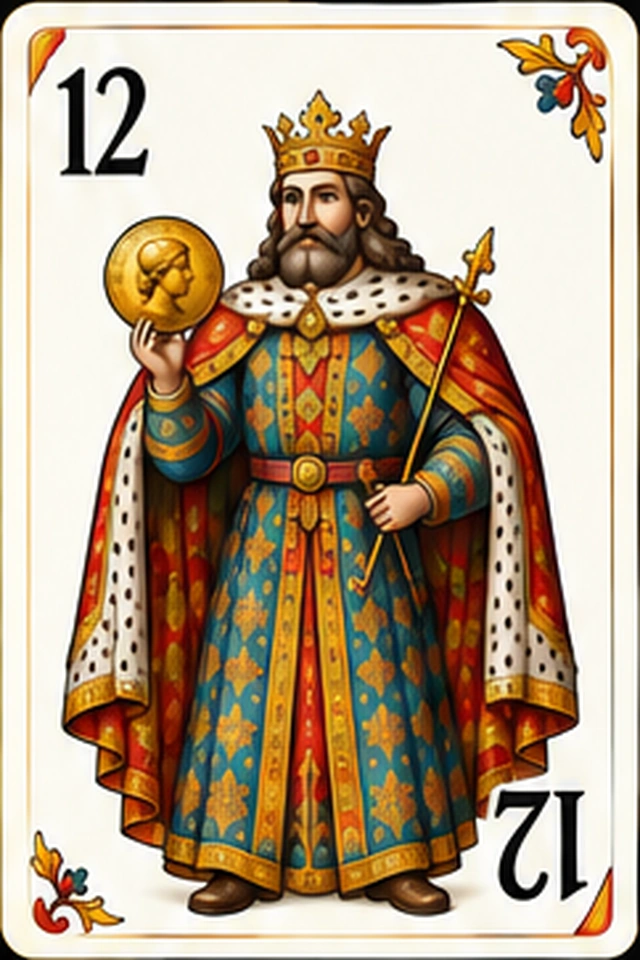
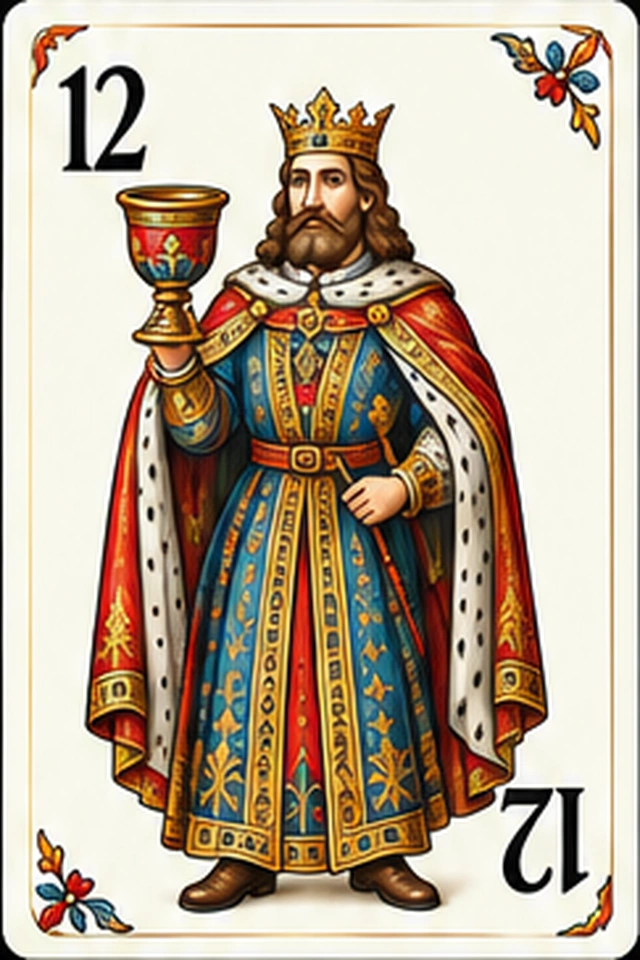
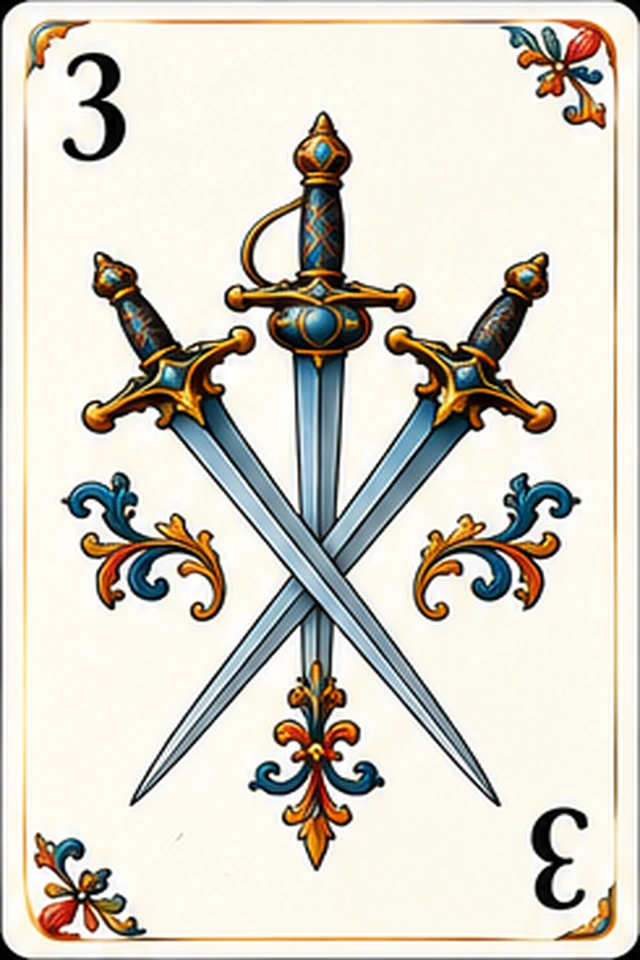
An órdago is a challenge to decide the entire game on a single round of Mus, a popular Spanish bluffing card game. If the opponent accepts, the cards are revealed immediately and the winner of that round wins the whole game, regardless of the stones or amarracos (scoring markers) collected so far.
How it works
In any of the four rounds (grande, chica, pares or juego) you can say «órdago». From there, there are two options:
- They accept (lo quieren): any remaining rounds are skipped, cards are revealed, and that specific round is resolved. Whoever wins it, wins the game.
- They decline (no lo quieren): you take whatever points were already in play and the hand continues.
When does it make sense to call it?
When you are far behind and need a sudden comeback, when you have an almost unbeatable hand, or when you want to intimidate your opponent. It is the ultimate bluffing move in Mus, which also makes it the most exciting.
The word
«Órdago» comes from the Basque hor dago, meaning «there it is». The expression crossed over into Spanish, which is why we say something is «de órdago» when it is massive or extraordinary. We explain this in detail in the meaning of «de órdago». And if you are just learning, start with everything you need to know about Mus.
Frequently asked questions
What happens if the órdago is not accepted?
The player who called it wins whatever was at stake in that round up to that point, just like a refused bet.
Where does the word órdago come from?
From the Basque phrase "hor dago", which means "there it is".