

Culture
Popular games before television
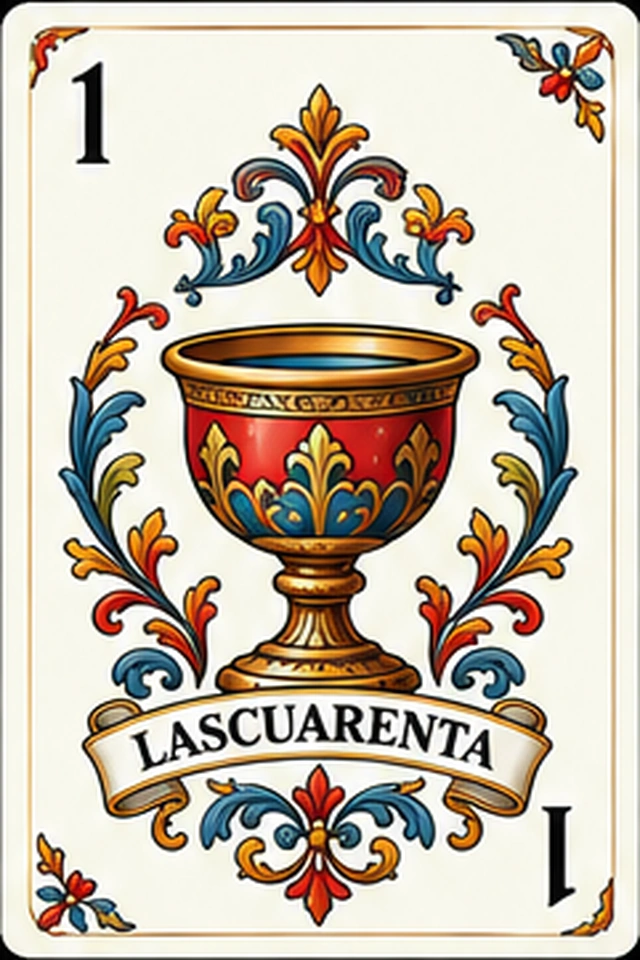
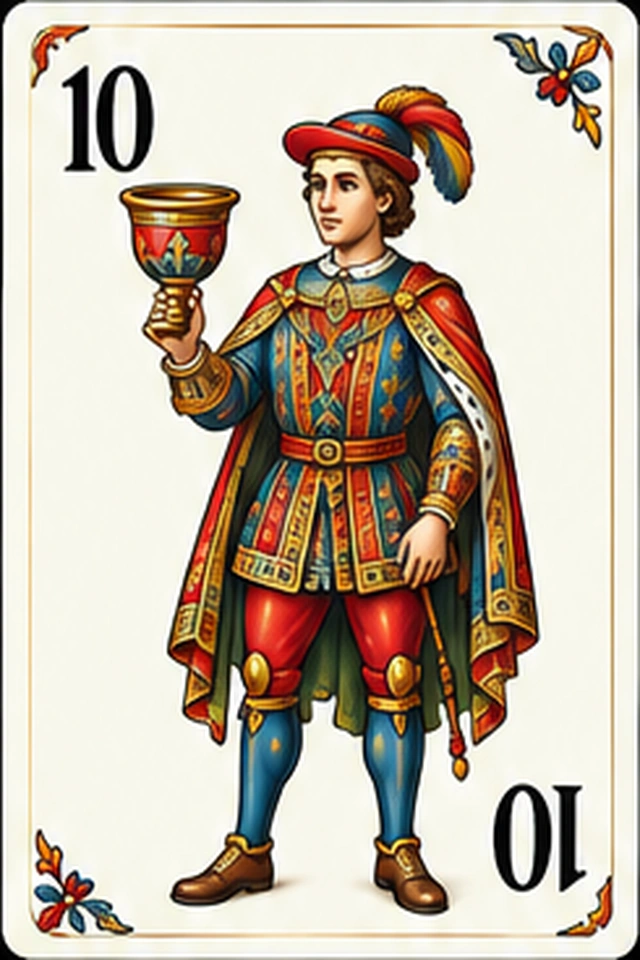
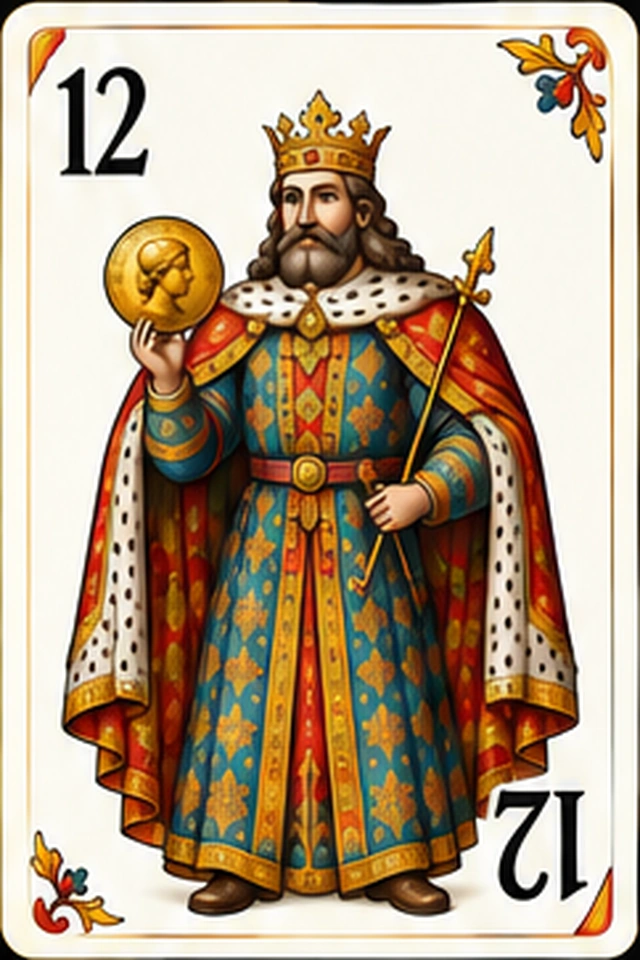
Before television arrived in Spanish homes in the 1950s and 1960s, cards and dominó (dominoes) were common in bars and social clubs, while children played comba (skipping), chapas (bottle-top games) or escondite (hide-and-seek) in the street. Families also spent their free time gathered around the radio or chatting outside in the cool evening air.
Cards everywhere
A pack of cards was the cheapest and most portable option. People played Tute (a trick-taking card game), Mus (a partnership card game), Brisca (a trick-taking card game) or Chinchón (a rummy-style card game) after lunch, in cafés or at social clubs. We explore this in why bars always had a pack of cards.
Dominoes for the older generation
The clack of a domino hitting marble was the soundtrack to many bars. Its history is closely tied to Spanish social life.
Street games
Children played in the street: comba, rayuela (hopscotch), escondite, canicas (marbles) or chapas. Many of these games have faded away; we look back at them in playground games that disappeared.
Radio and conversation
In the evenings, the radio brought the family together, and in summer people took chairs outside to sit by the front door. We talk about this in how our grandparents entertained themselves.
Then television arrived
Television changed household routines. We explain how in the cinema and television revolution.
Frequently asked questions
When did television arrive in Spain?
Regular broadcasts began in 1956, although it took years for television to reach most homes.
What did people play before television?
Cards, dominó (dominoes) and street games such as comba (skipping) or chapas (bottle-top games).