

Expressions
Everyday expressions you might not realise come from games
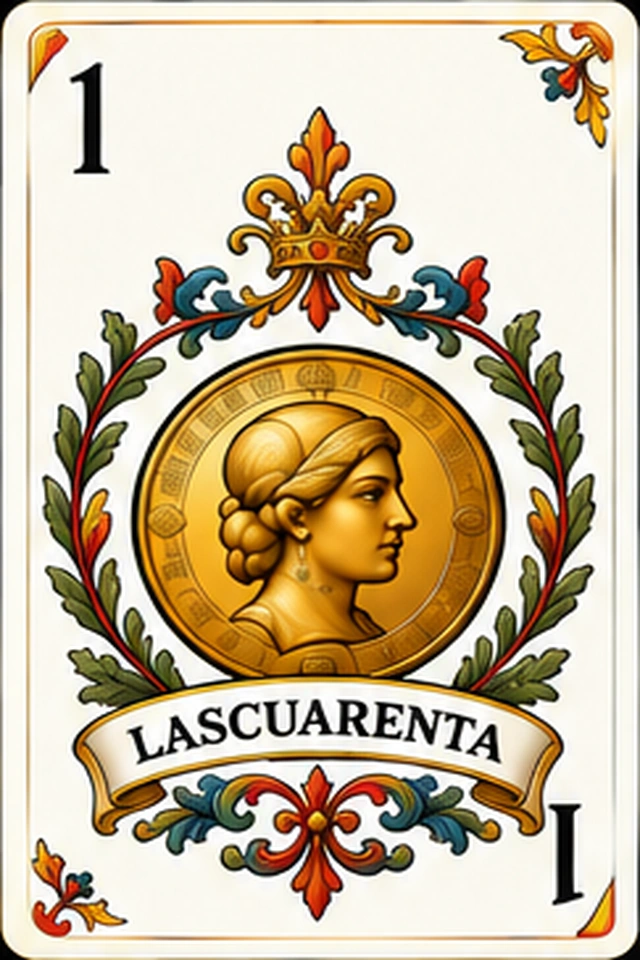
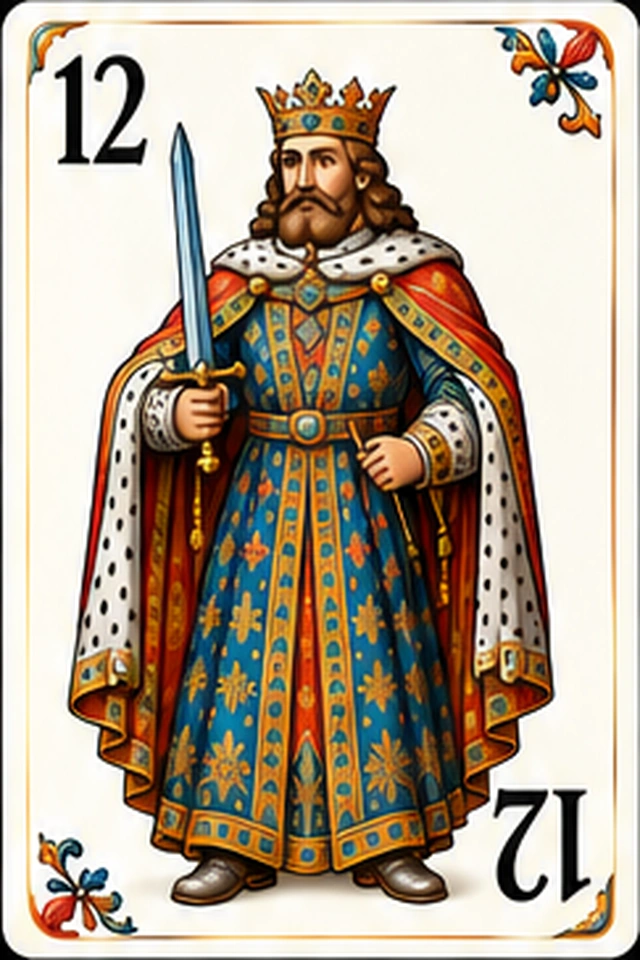
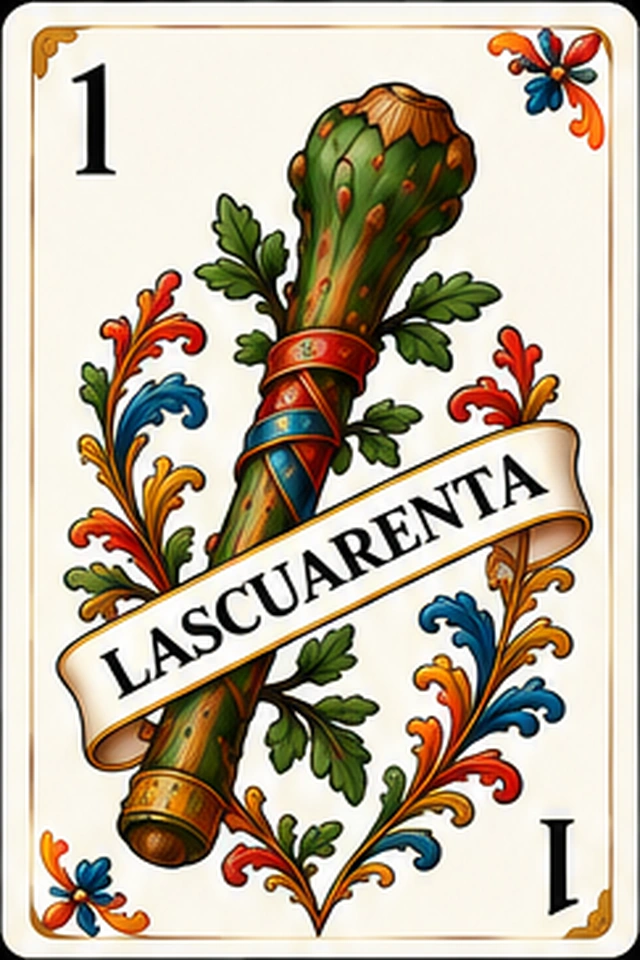
Many everyday Spanish expressions, such as “first-hand”, “bluffing” and “not having a penny”, have their roots in cards, dice or betting in times gone by. These phrases have stood the test of time, becoming part of everyday vocabulary far beyond the gaming table.
From the card deck
- Bluffing: pretending to have something you don't. Where it comes from.
- Having an ace up your sleeve: keeping a useful resource hidden. More here.
- Giving someone a piece of your mind: telling someone what you think without mincing your words.
- Going all in: staking everything. It comes from Mus (the card game mus).
- Sota (jack), caballo (knight) and rey (king): the same old routine, with no surprises. What it means.
From dice and chance
- The die is cast: a phrase attributed to Julius Caesar, alea iacta est: “the dice have been thrown”.
- Being on a winning streak: enjoying a run of successes. Do winning streaks really exist? We take a closer look.
From the world of gameplay
- Having a knack: being skilful, or being the first to play. Playing first.
- Changing the rules of the game: changing the conditions halfway through. More here.
You'll find the most comprehensive list in Spanish expressions born out of card games.
Frequently asked questions
What does “the die is cast” mean?
It means a decision has already been made and there is no turning back; it comes from throwing dice.
Does the Spanish expression for “bluffing” come from cards?
Yes, from card games involving betting, where players pretend to have a better hand.