

Expressions
What does it mean to hold a card back?
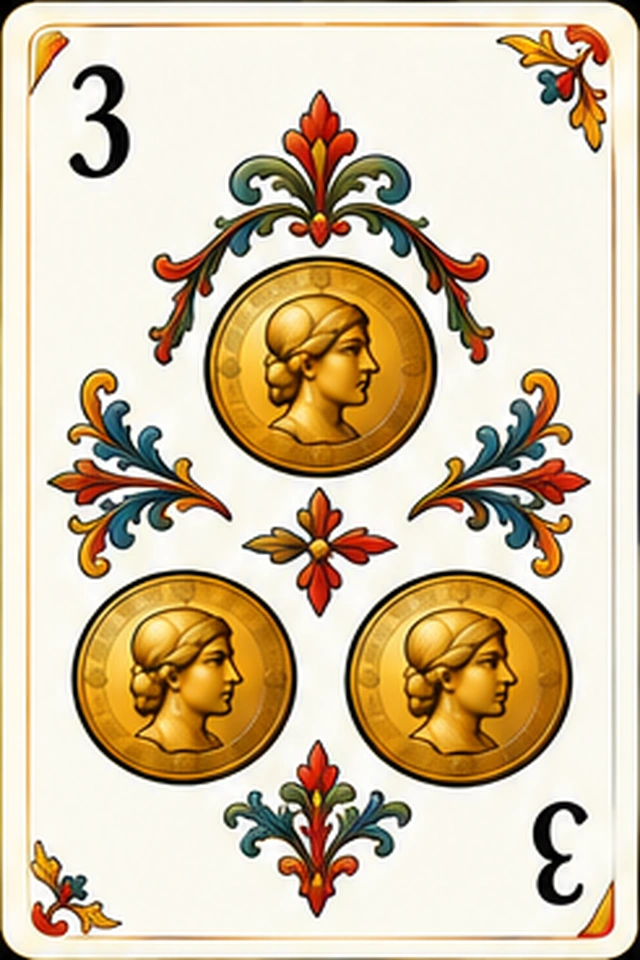
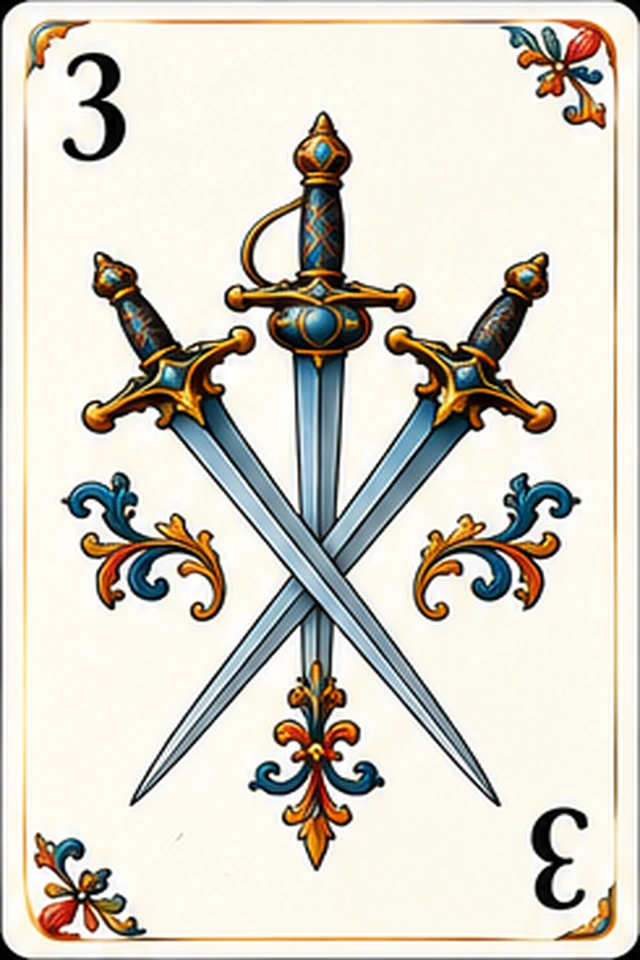
Holding a card back means saving a resource or an argument for later, when it can have a greater impact. Unlike having an ace up your sleeve, it does not imply cheating: it is about choosing strategically when to use it.
At the card table
Holding a card back is one of the basics of trick-taking games. In Guiñote (a Spanish trick-taking game) or Cuatrola (a four-player trick-taking game), saving a trump for the last trick can earn you the ten-point last-trick bonus. In Chinchón (a rummy-style game), saving the joker until the end can let you go out.
Away from the card table
The expression is used for someone who does not reveal everything they know in a negotiation, a politician who holds back an announcement, or a team that saves a rehearsed move for later.
- ‘I’m holding that card back for Thursday’s meeting.’
- ‘They’re still holding a card back: they haven’t made their final offer yet.’
Similar, but not the same
Having an ace up your sleeve has its origins in cheating; holding a card back does not: the card is yours, and you play it when you choose. The opposite would be putting your cards on the table.
Frequently asked questions
Is holding a card back the same as having an ace up your sleeve?
Not exactly: holding a card back is a legitimate strategy, while the ace up the sleeve comes from the image of a cheat.
When is it worth saving a trump?
When it can secure you the last trick or disrupt an important move by your opponent.