

Reading
Blog
Stories about the Spanish deck, the rules explained plainly, details about our decks and project news.
Spanish history and leisure ·
Playground games that disappeared (or nearly did)
Peonza (spinning tops), canicas (marbles), diábolo (diabolo) and comba (skipping) once filled school playgrounds. We look back at playground games that have almost vanished and why they’re worth remembering.
Read the article
Spanish history and leisure ·
Sobremesa in Spain: the story of a much-loved tradition
Sobremesa is the leisurely time spent at the table after a meal, chatting, drinking coffee and often getting the cards out. Here’s why it’s such a Spanish tradition.
Read the article
Expressions ·
What does ‘ir de farol’ mean?
‘Ir de farol’ means bluffing: pretending you have more than you really do. We explore the expression’s origins, its connection with betting card games such as Mus (a Spanish betting card game), and how it is used today.
Read the article
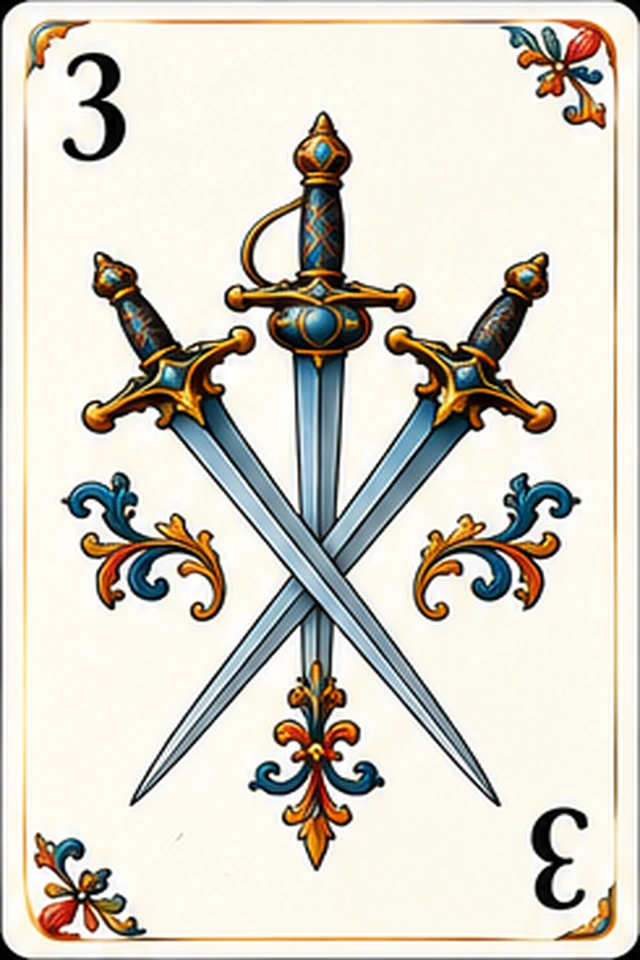
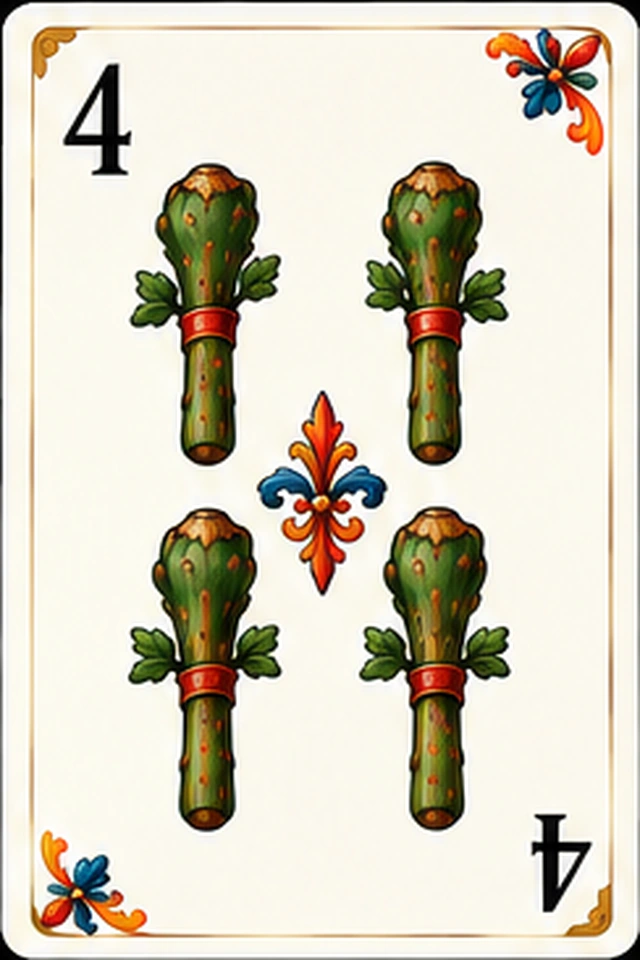
Curiosities ·
How many combinations are there in a deck of cards?
A Spanish deck of 40 cards can be arranged in more than 8 × 10⁴⁷ ways. Here’s where that number comes from and why almost every shuffle produces a unique order.
Read the article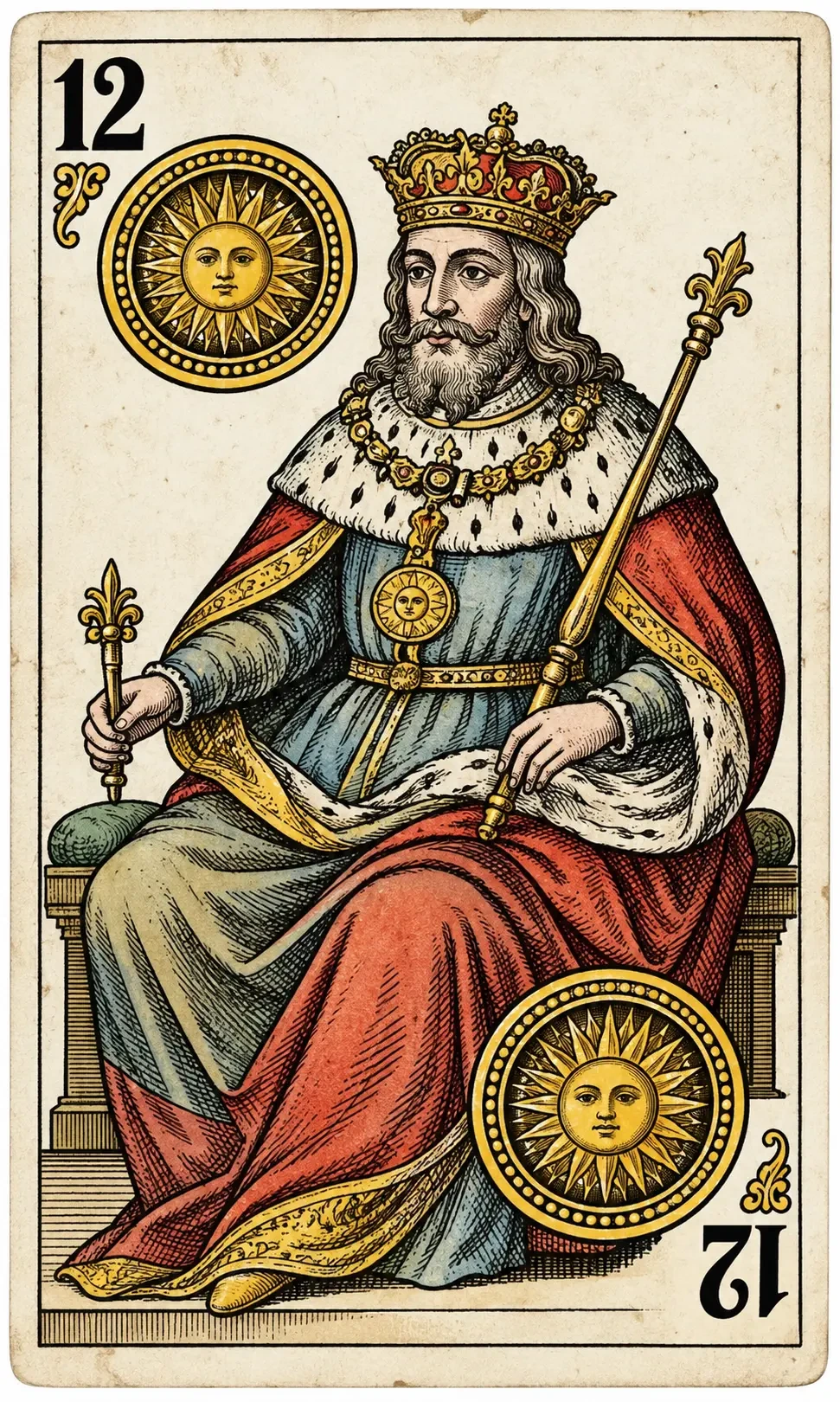
Culture ·
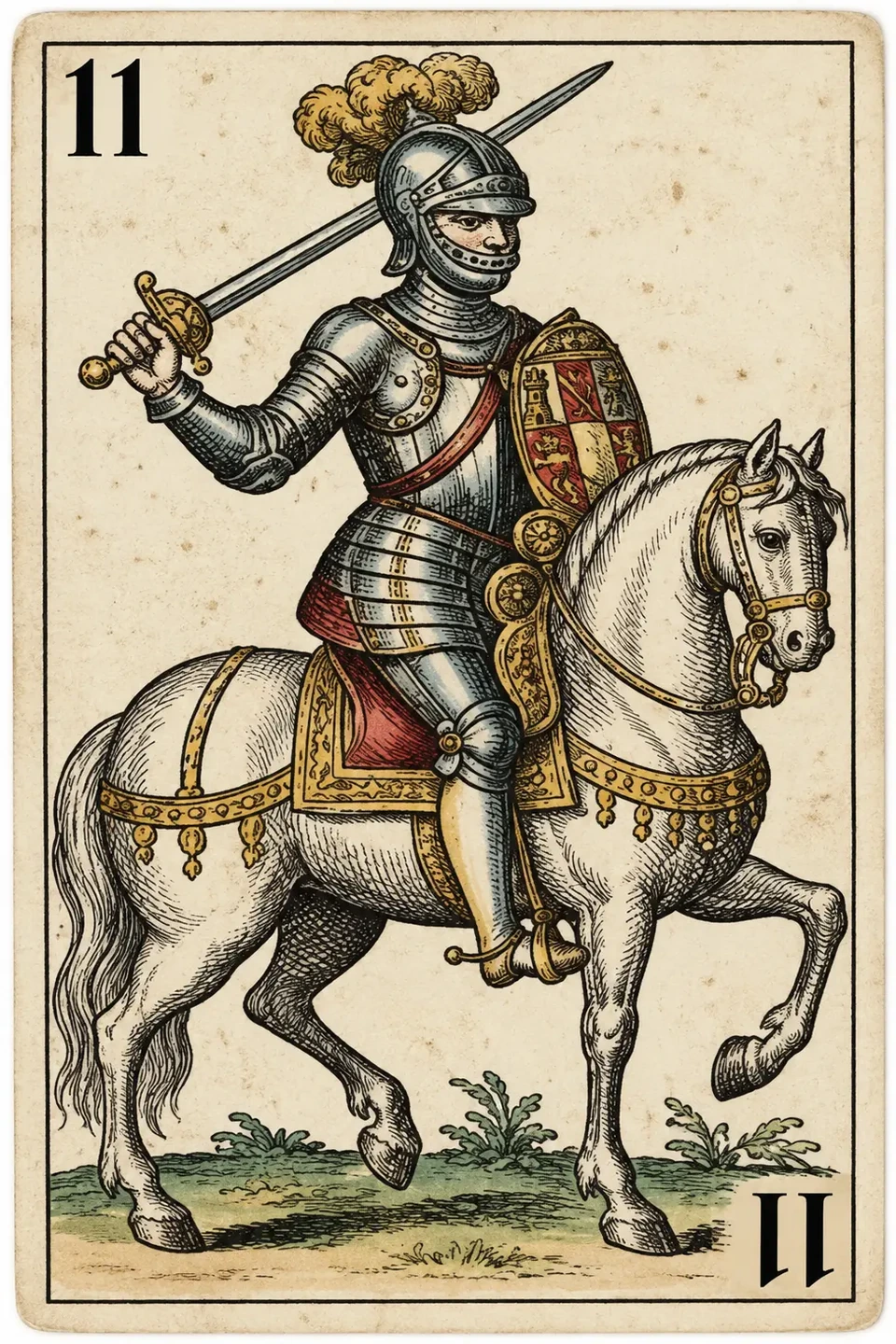
Playing cards in the Middle Ages: banned, policed and widely played
Playing cards spread across Europe in the 14th century, and the first bans followed almost immediately. Here’s a look at how cards were played in the Middle Ages.
Read the articleYou might also like the rules of each game and the illustrated decks.