

Reading
Blog
Stories about the Spanish deck, the rules explained plainly, details about our decks and project news.
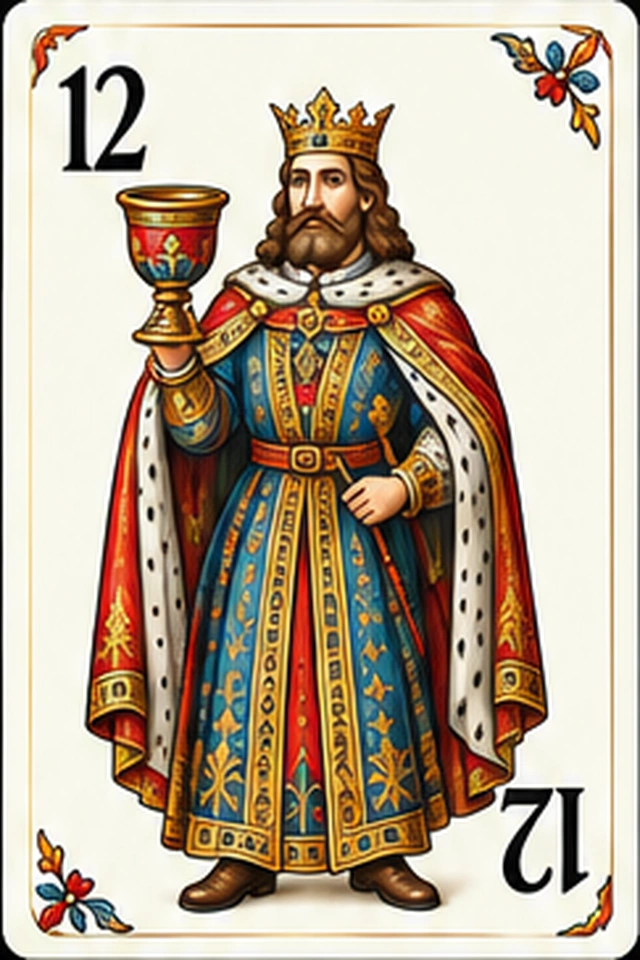
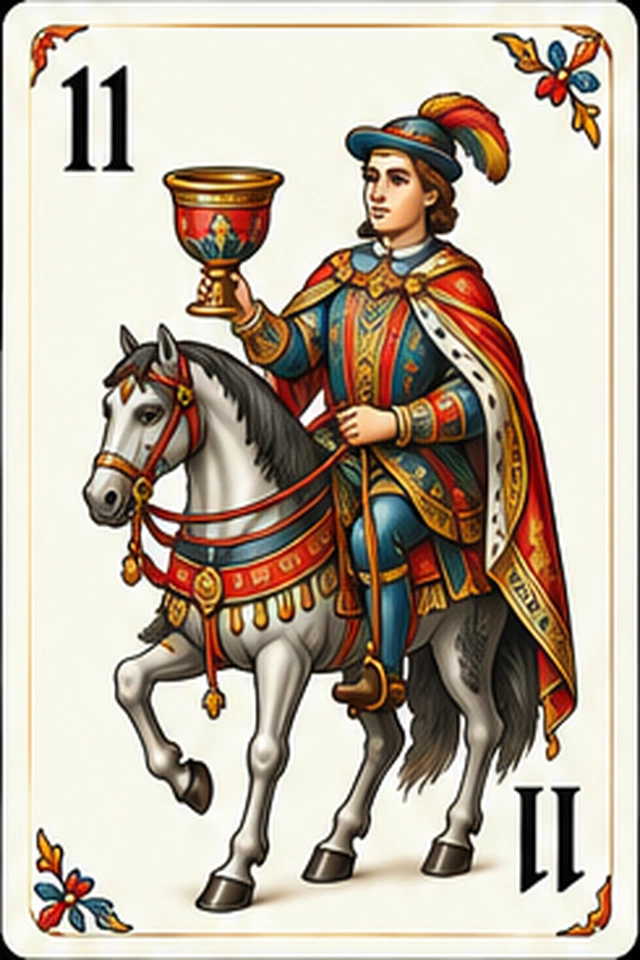
Probability and chance ·
The probability of being dealt a same-suit rey (king) and caballo (knight)
How often will your opening hand give you a twenty-point or forty-point declaration? We work it out with simple numbers for three, four and six cards.
Read the article
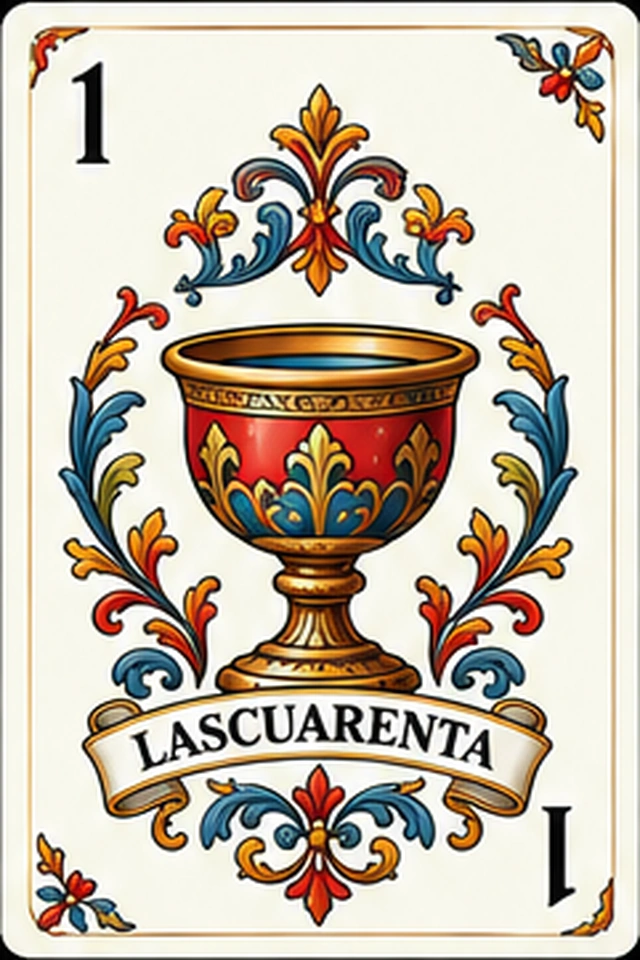
Spanish history and leisure ·
Card Sharps in Spain’s Golden Age
Rogues, cheats and card sharps: in 16th- and 17th-century Spain, card playing had an underworld all of its own. Here’s who they were.
Read the article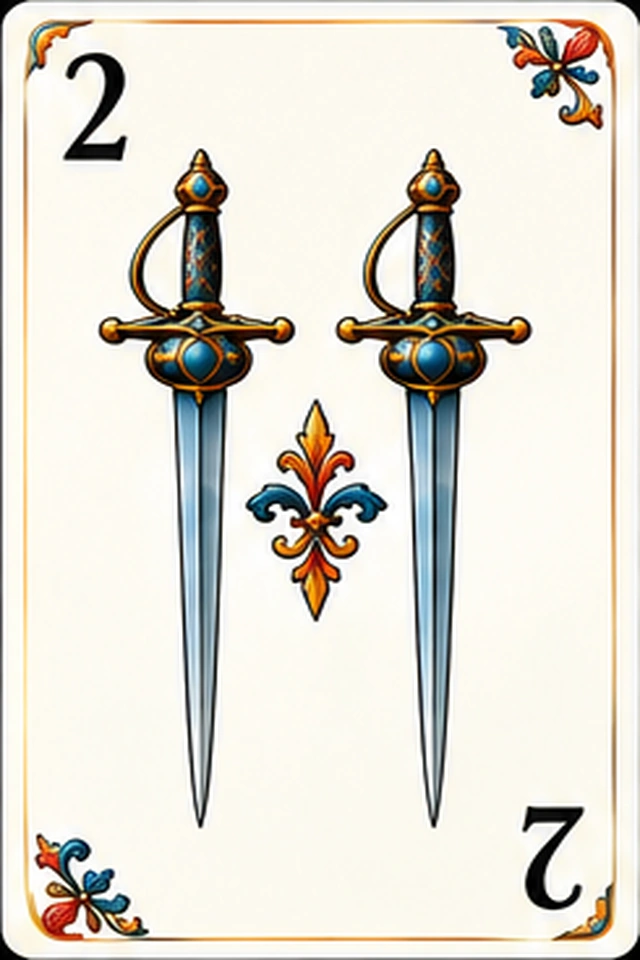
Rules and concepts ·
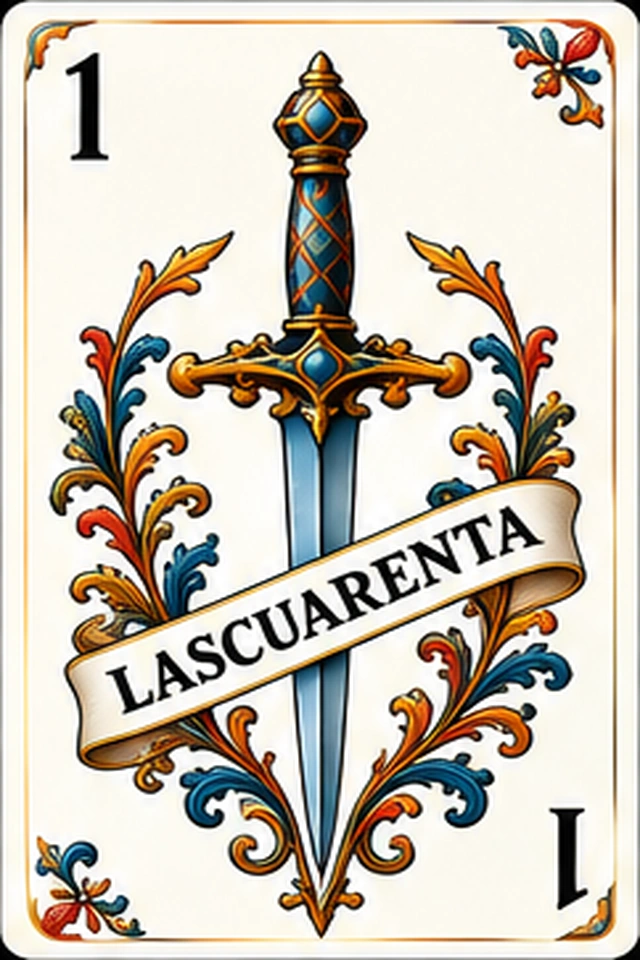
Why do doses (twos) count as ases (aces) in Mus?
In Mus (the Spanish card game), treses (threes) become reyes (kings), while doses (twos) become ases (aces). This keeps chica, the contest for the lowest hand, balanced. Here’s why.
Read the article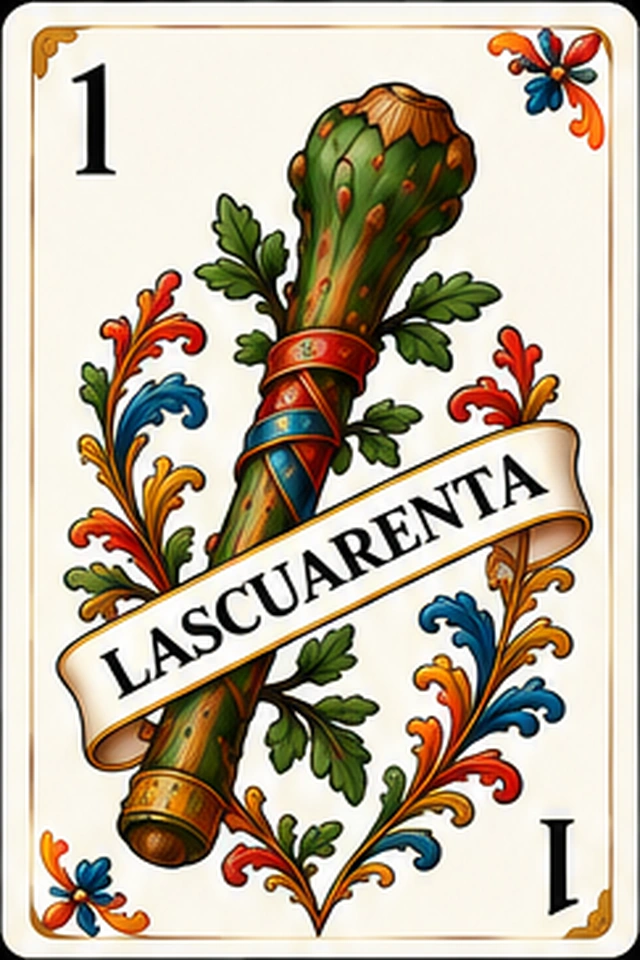
Culture ·
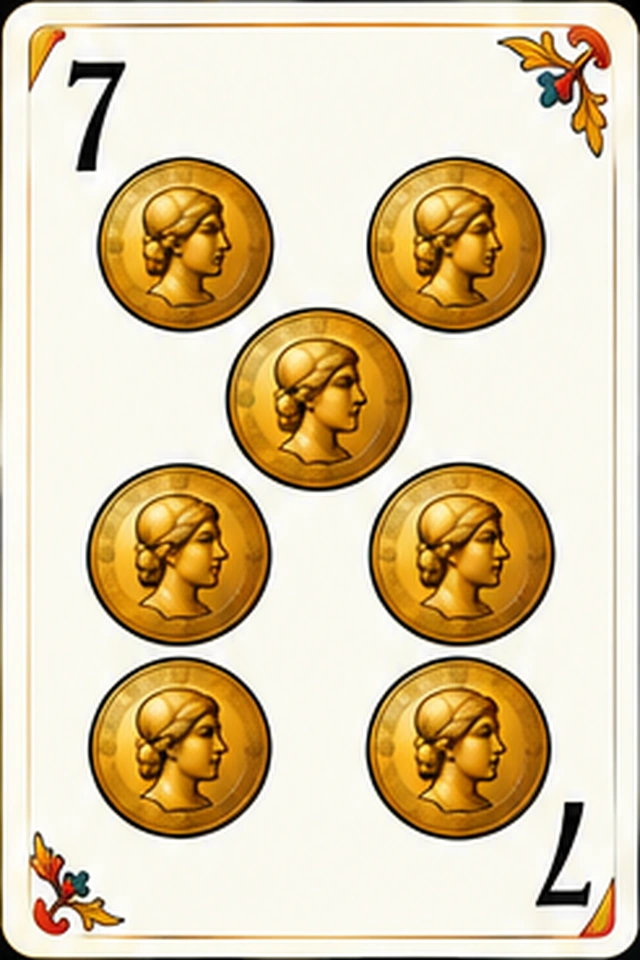
Traditional Games of the Valencian Community
Truc (Valencian Truco) takes centre stage, but Tute (a trick-taking card game), Mus (a bluffing card game) and Escoba (Sweep) are also played in Valencian community clubs and social groups. Here’s a look at these local favourites.
Read the article
Spanish history and leisure ·
Political and propaganda playing cards
During wars and changes of regime, even playing cards took sides. Here’s how packs of cards were used as propaganda throughout Spain’s history.
Read the articleYou might also like the rules of each game and the illustrated decks.