

Reading
Blog
Stories about the Spanish deck, the rules explained plainly, details about our decks and project news.
Rules and concepts ·
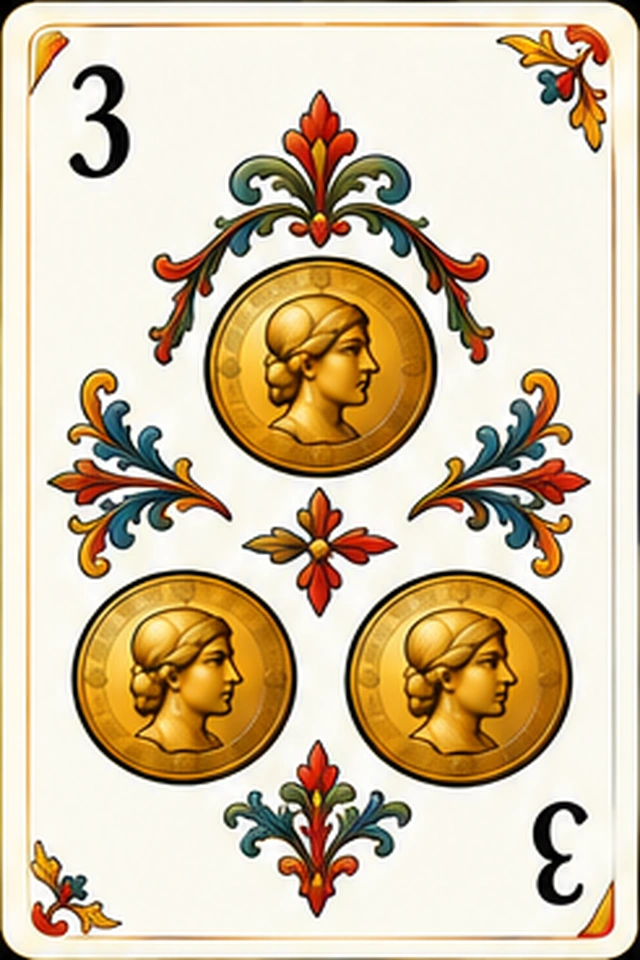
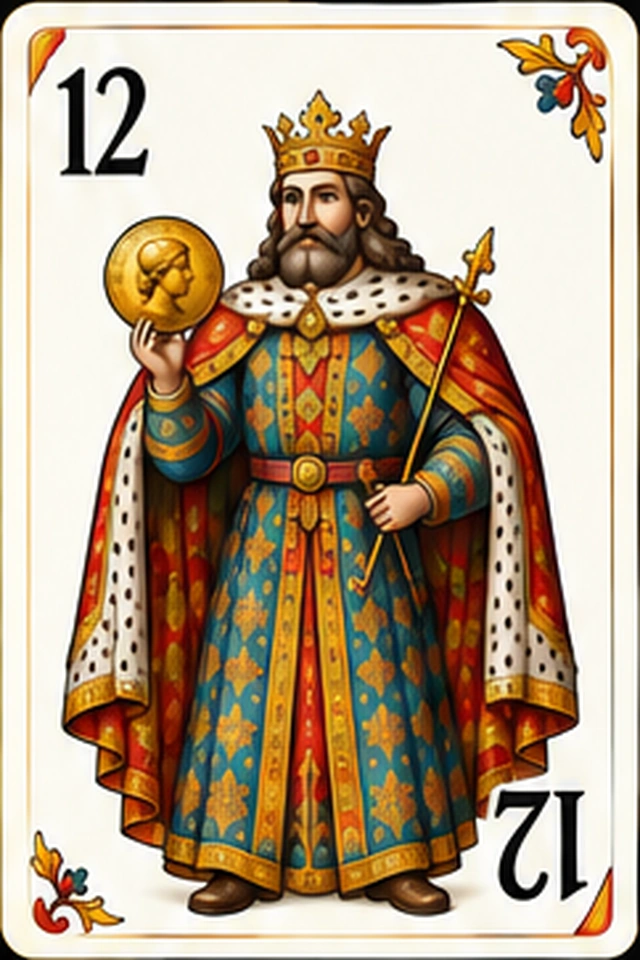
Why do treses (threes) count as reyes (kings) in Mus (Spanish card game)?
In eight-king Mus, a three counts as a king. It sounds odd, but there’s a very simple explanation. Here’s how it works.
Read the article
Playing cards ·
The Spanish deck in the Philippines
The galleons carried more than spices and silver: they brought playing cards too. Here’s how the Spanish deck reached the Philippines and the games it left behind.
Read the article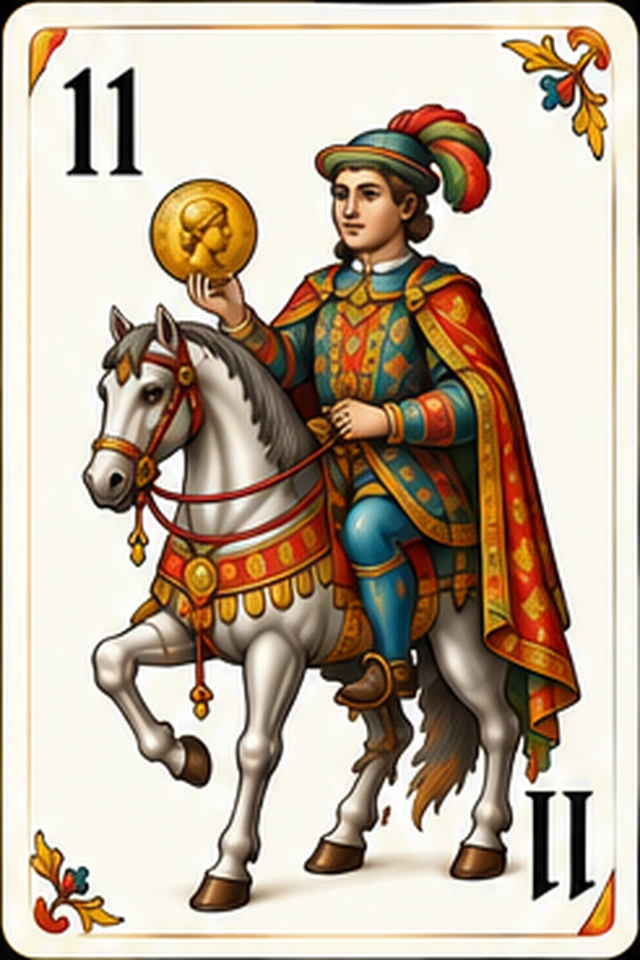
Culture ·
Traditional Games of Aragon
Guiñote (a partnership trick-taking game) reigns supreme in Aragon, but it is not alone: Truque (a bluffing card game) in the Pyrenees, Tute (a trick-taking game) and Mus (a partnership bluffing game) round out a region with a real love of cards.
Read the articleSpanish deck ·
When playing cards were used for advertising
Aniseed spirits, chocolate, tyres, banks... For decades, giving away a pack of cards with your brand on it was the best advertising you could get. Here’s why.
Read the articleSpanish deck ·
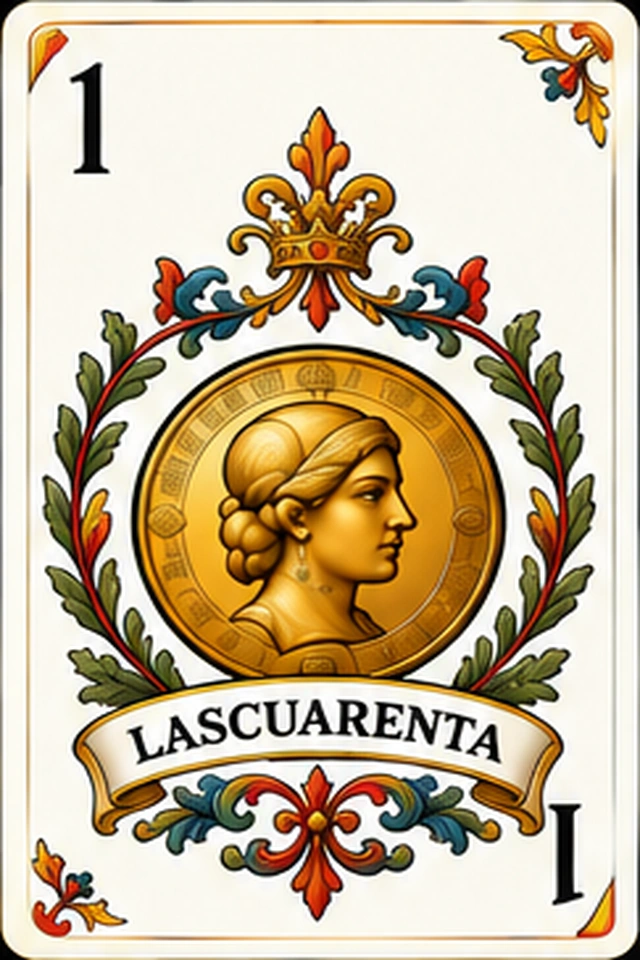
Why is the number 1 card called the as (ace)?
The word ‘as’ (ace) is more than two thousand years old. It comes from a Roman coin and passed through dice before reaching playing cards.
Read the articleYou might also like the rules of each game and the illustrated decks.