

Reading
Blog
Stories about the Spanish deck, the rules explained plainly, details about our decks and project news.
Rules and concepts ·
Piedras, points and amarracos in Mus
In Mus (a Spanish card game), you keep score with piedras (stones). Find out what a piedra is, how five make an amarraco (a five-point counter), and how to keep track of the score.
Read the articleProbability and chance ·
Why do some hands seem impossible?
Four reyes (kings), four ases (aces)… impossible! Not at all: any other specific hand is just as rare. Here’s how our brains trick us.
Read the article
Playing cards ·
The playing cards from Málaga that travelled to the Americas
For decades, almost all the packs of cards used in the Americas came from a village in Málaga. Here’s how they made the journey.
Read the article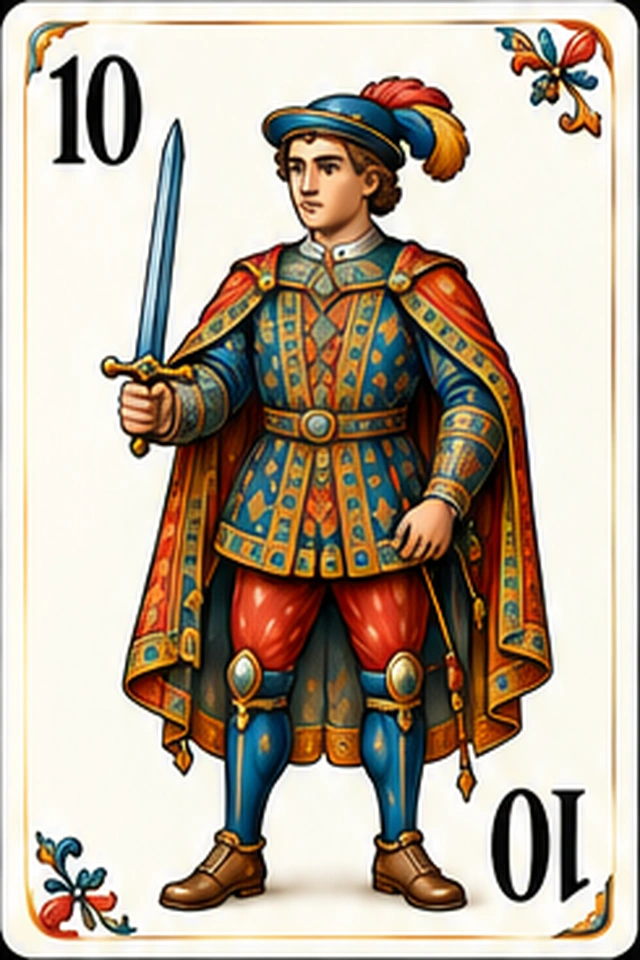
Spanish deck ·
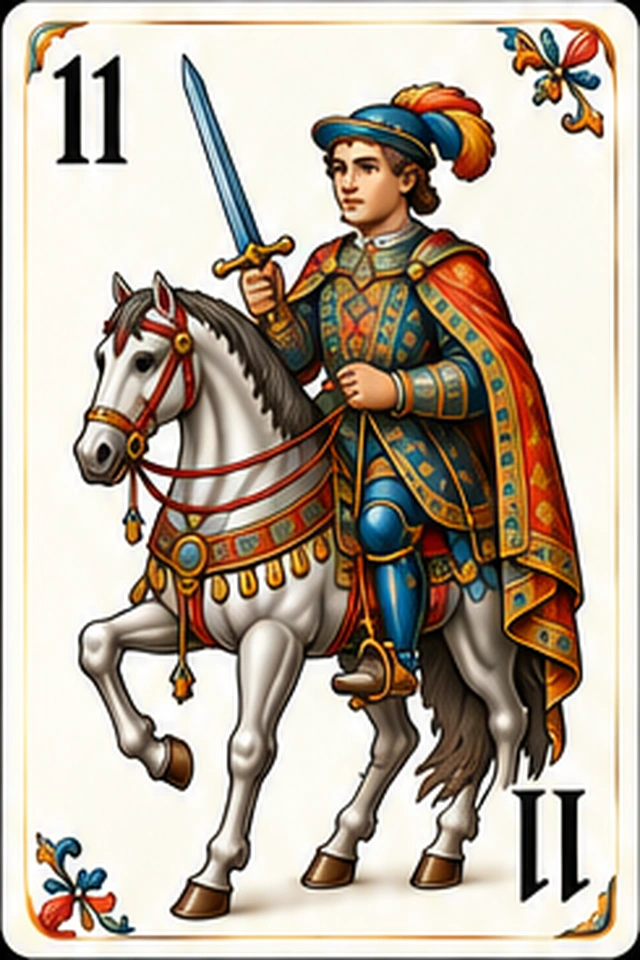
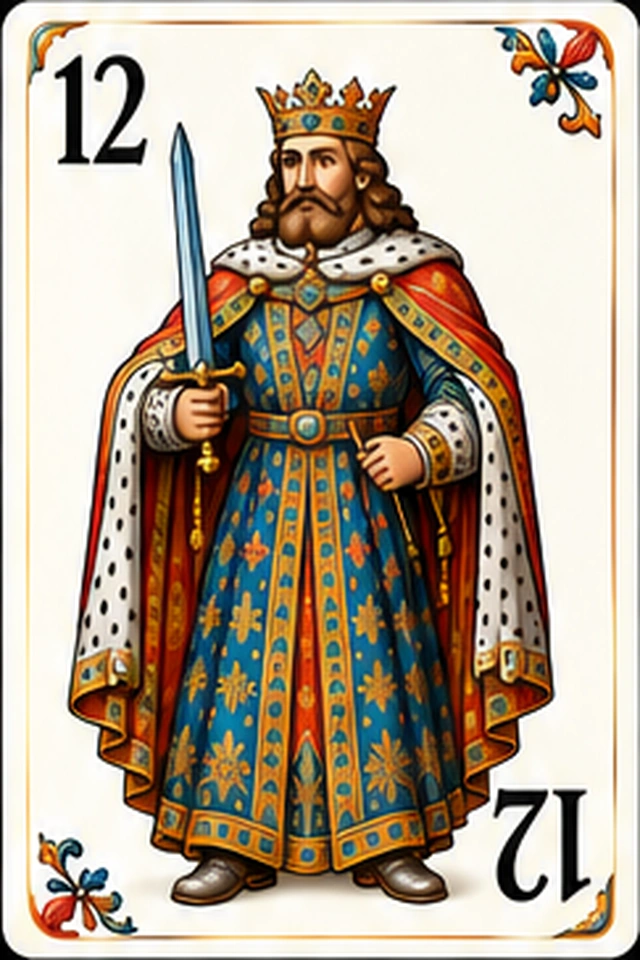
Why are the sota (jack), caballo (knight) and rey (king) numbered 10, 11 and 12?
The sota (jack), caballo (knight) and rey (king) keep their original numbers from the full 48-card Spanish deck. The 40-card version leaves out the eights and nines, which explains the jump from seven to ten.
Read the articleRules and concepts ·
Truco argentino (Argentinian Truco) vs Truc valenciano (Valencian Truc): the differences
They share a name, a spirit and almost the same card rankings, but they are not the same game. Here’s how Argentinian Truco and Valencian Truc differ.
Read the articleYou might also like the rules of each game and the illustrated decks.