

Reading
Blog
Stories about the Spanish deck, the rules explained plainly, details about our decks and project news.
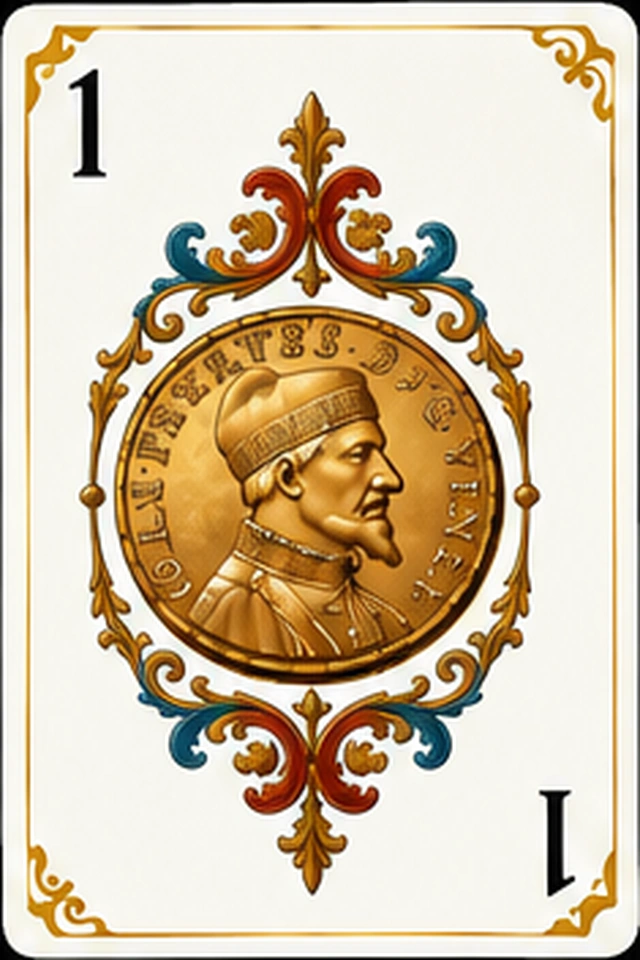
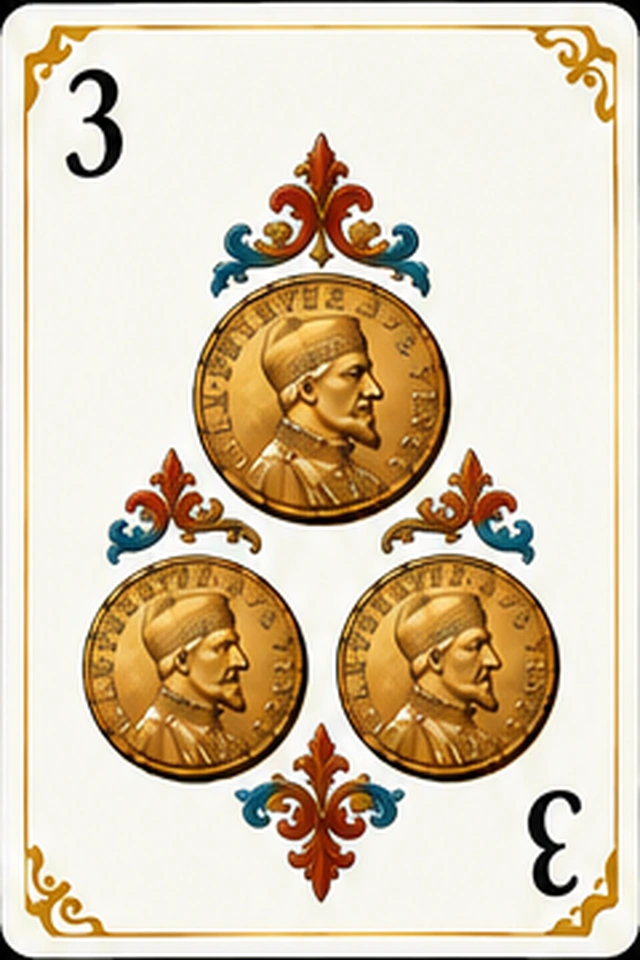
Culture ·
Why do Spanish playing cards not have 8s or 9s?
Spanish playing cards do not have 8s or 9s because the usual version has 40 cards: those two numbers were left out of the deck used in games like Tute, Brisca, or Guiñote. Why they were removed, which cards are missing from the Spanish deck, and when the 48-card version is used.
Read the article
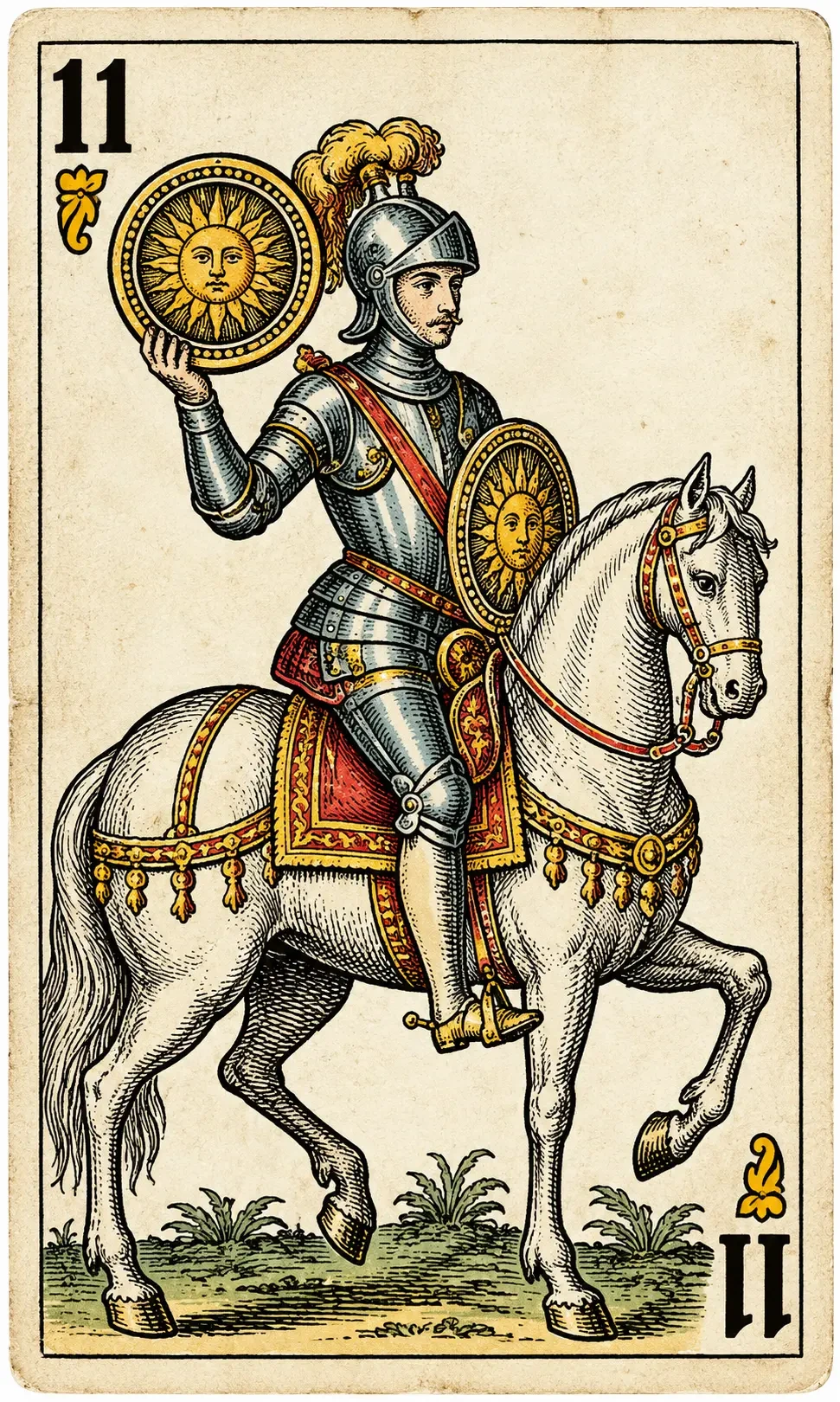
Culture ·
To "Cantar las cuarenta": Where the expression comes from
To "Cantar las cuarenta" means to reprimand today, but it was born at the card table: it's the `cante` (announcement) of the `Rey` (King) and `Caballo` (Knight) of the trump suit in Tute. The history of a phrase that originated from the Spanish deck and stayed in the language.
Read the article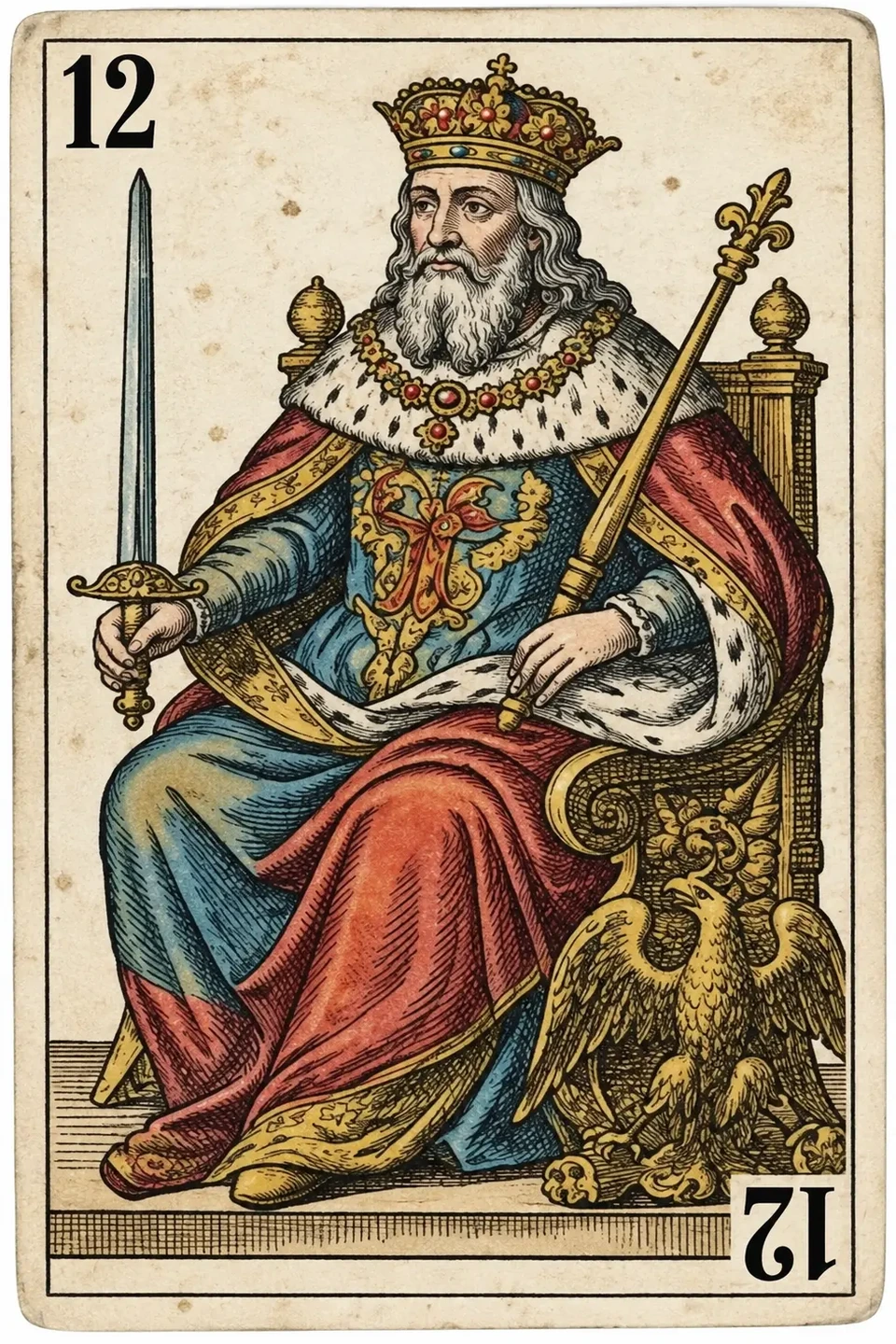
Rules ·
Tute, Guiñote and Brisca: what exactly makes them different
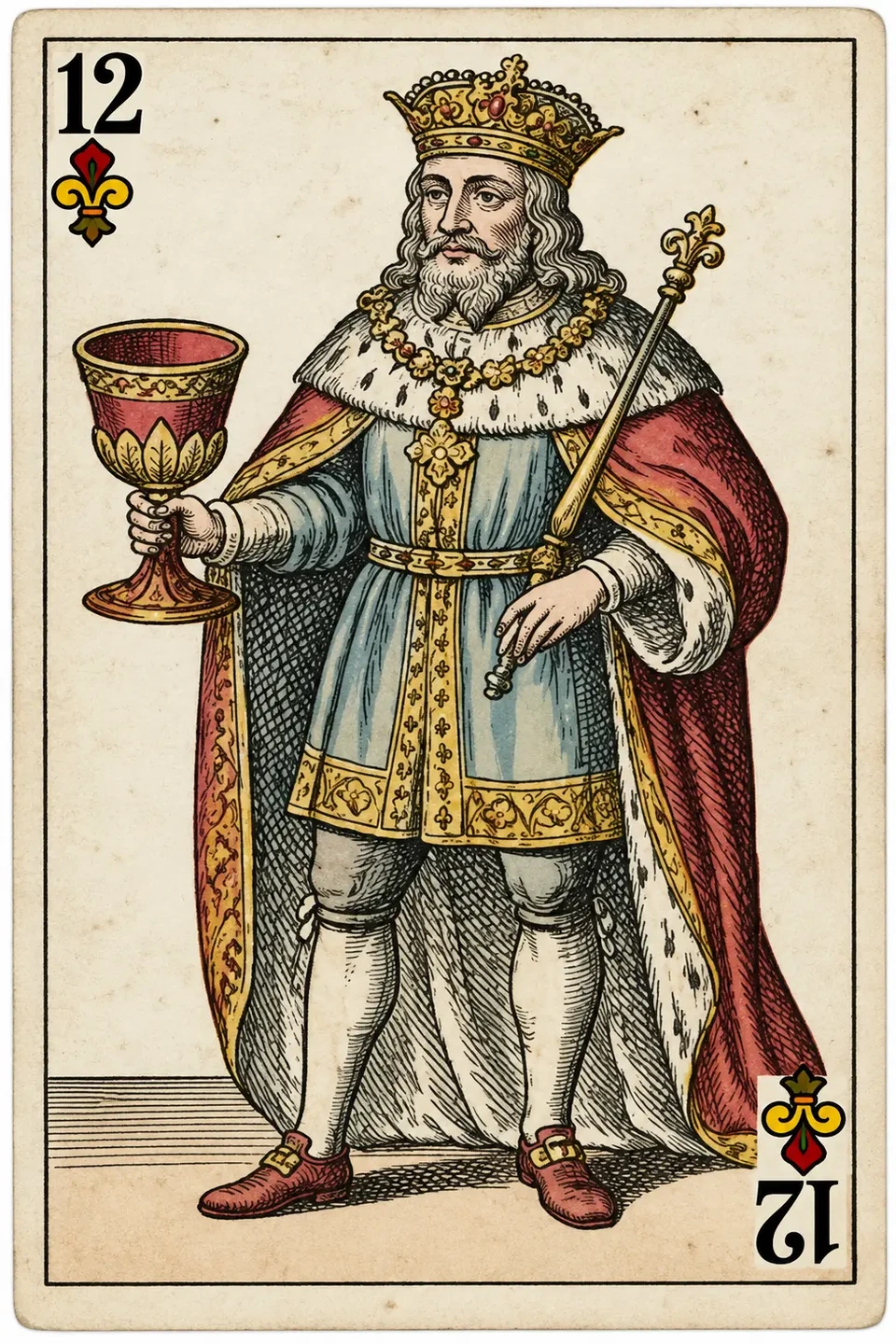
All three are played with a Spanish-suited deck, with trumps, and with 'cantes de veinte y cuarenta' (scoring declarations), yet they are distinct games. The difference lies in the obligation to follow suit ('arrastre') and the draw pile ('mazo'): here it is clearly explained.
Read the article
Decks ·
The Old Deck, Card by Card
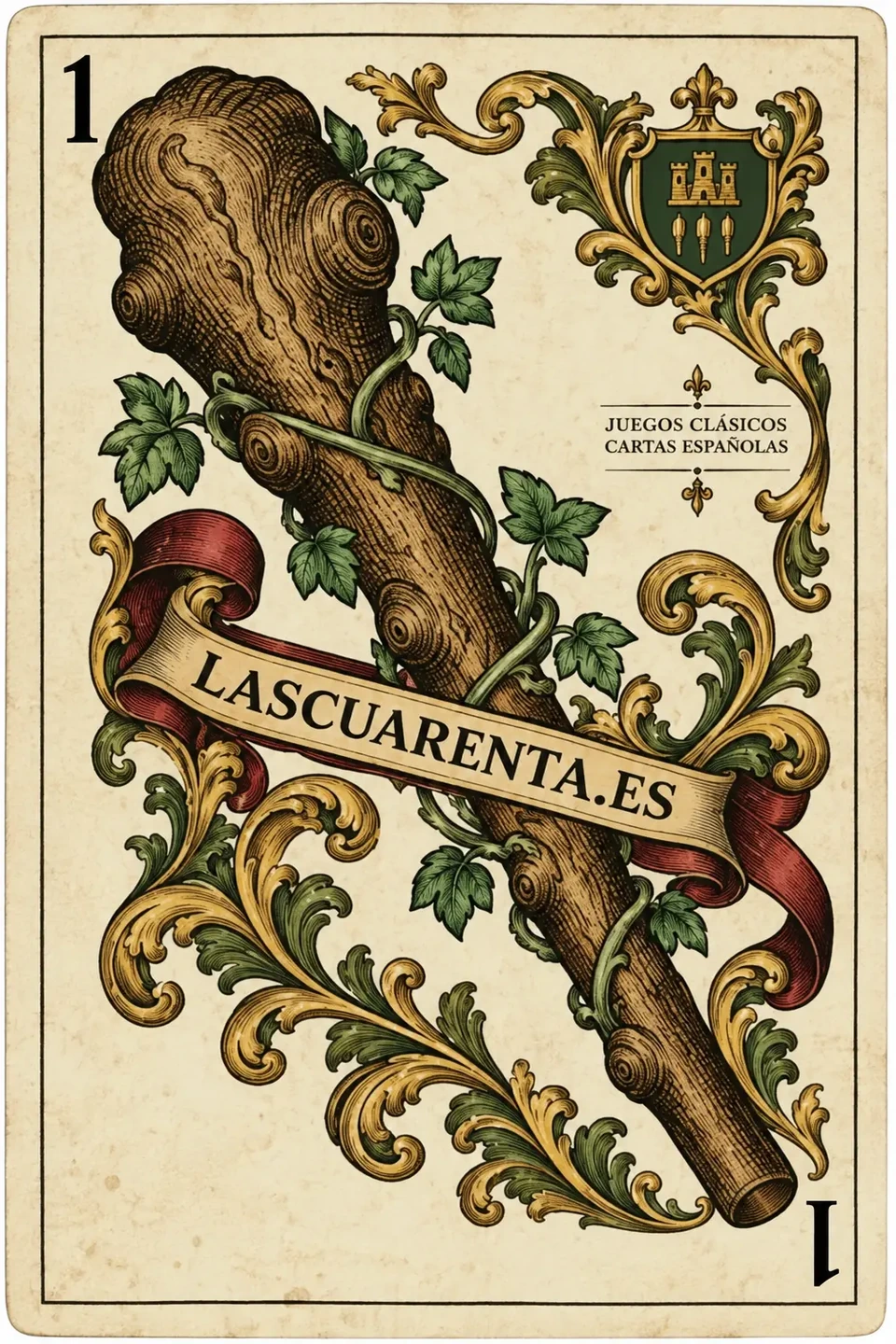
Forty-eight cards with faded inks, stained paper, and printed numbering: how a Spanish deck was prepared to look like it came from a 1900s drawer yet remain readable on a mobile phone.
Read the article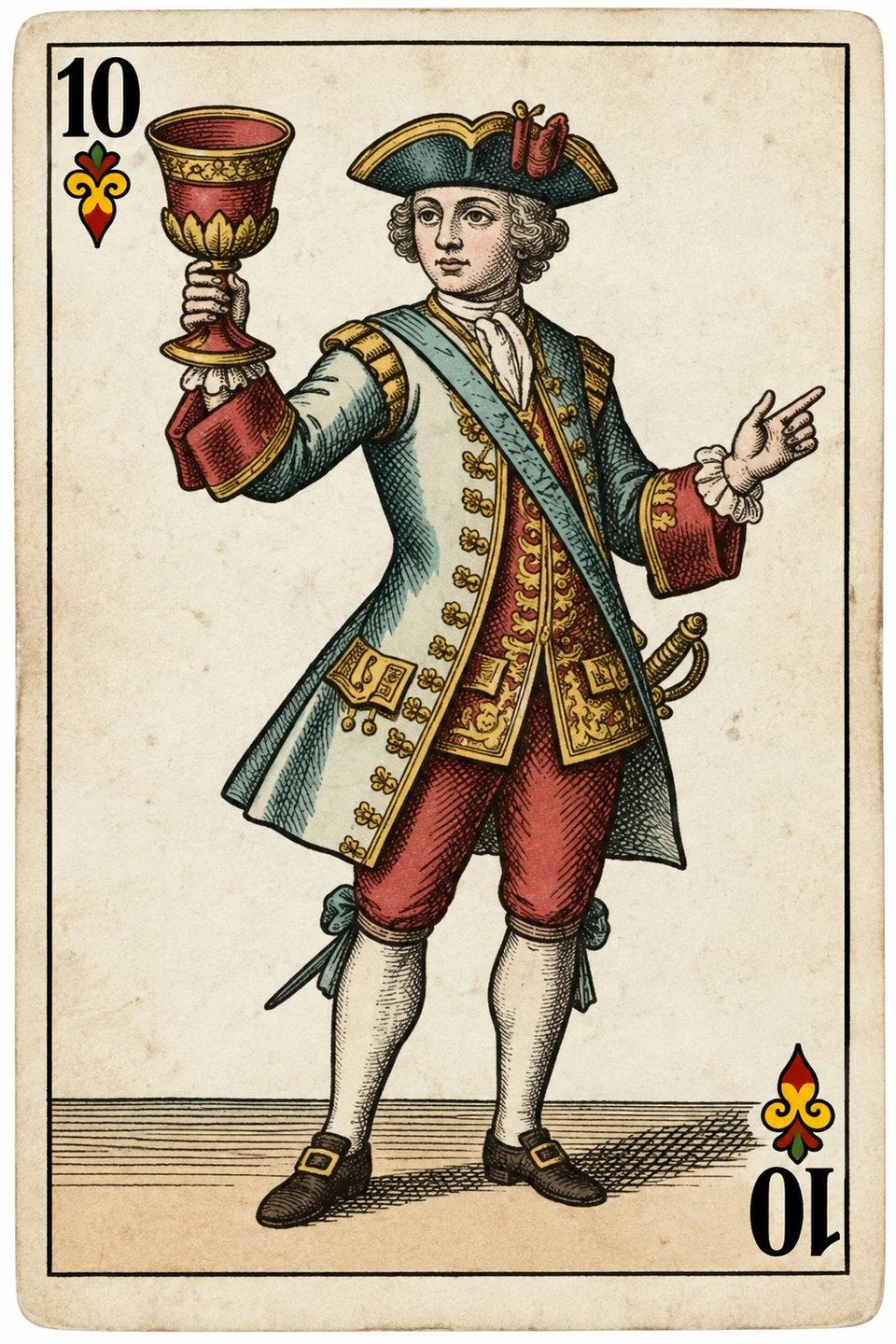
Guides ·
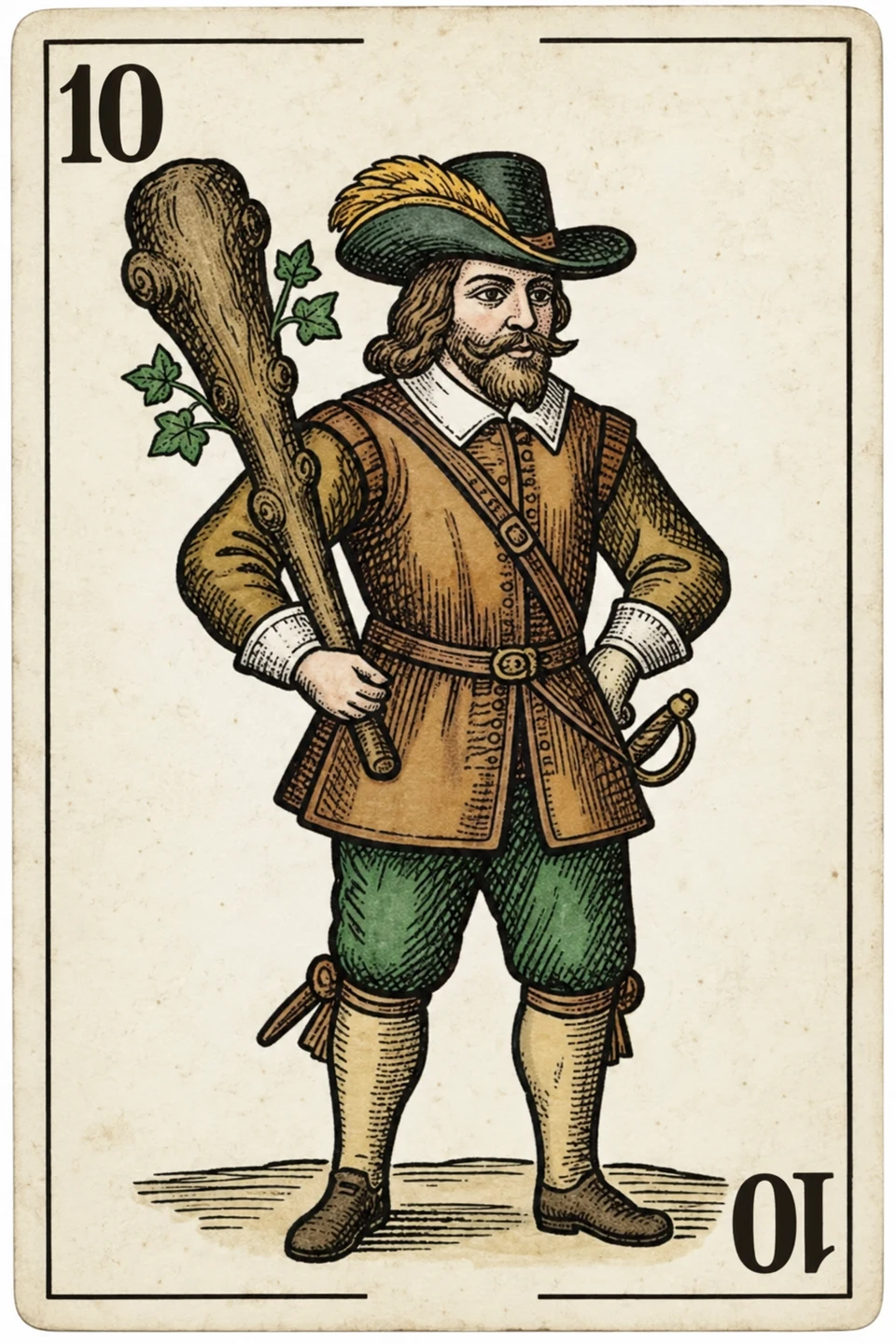
How to set up a table with your friends in two minutes
A practical guide to playing Tute, Brisca, or Chinchón with your people even if you're in four different cities: create the room, invite with a link, and what happens if someone loses coverage.
Read the articleYou might also like the rules of each game and the illustrated decks.