

Culture
Everything you need to know about Chinchón: origin, history, rules, and interesting facts
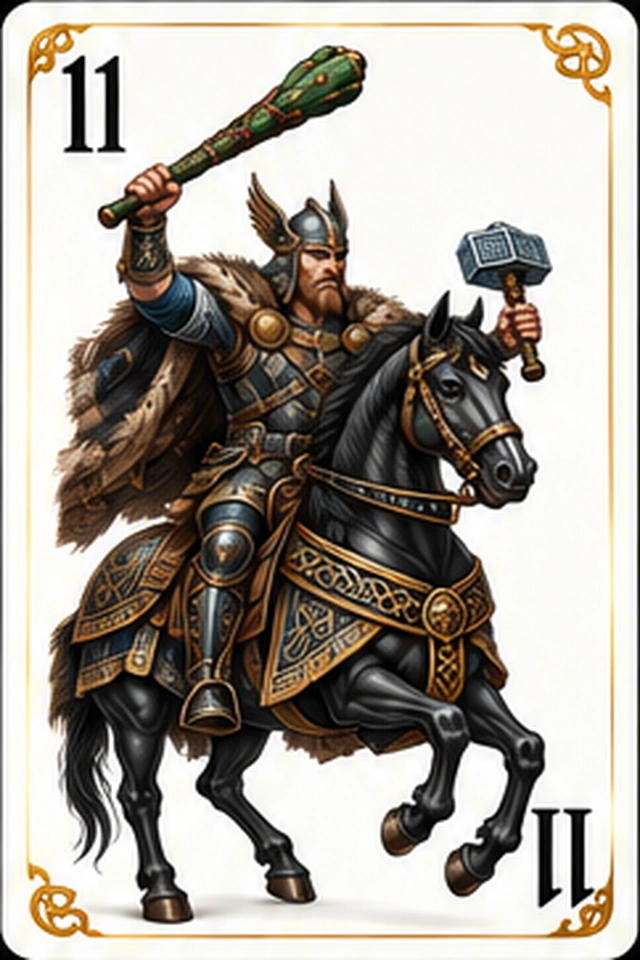
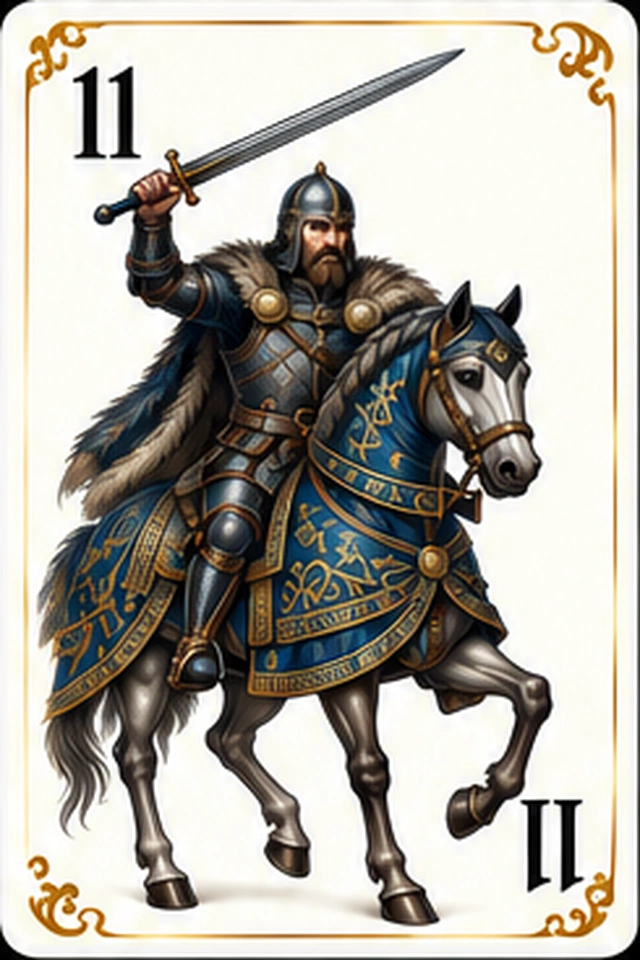
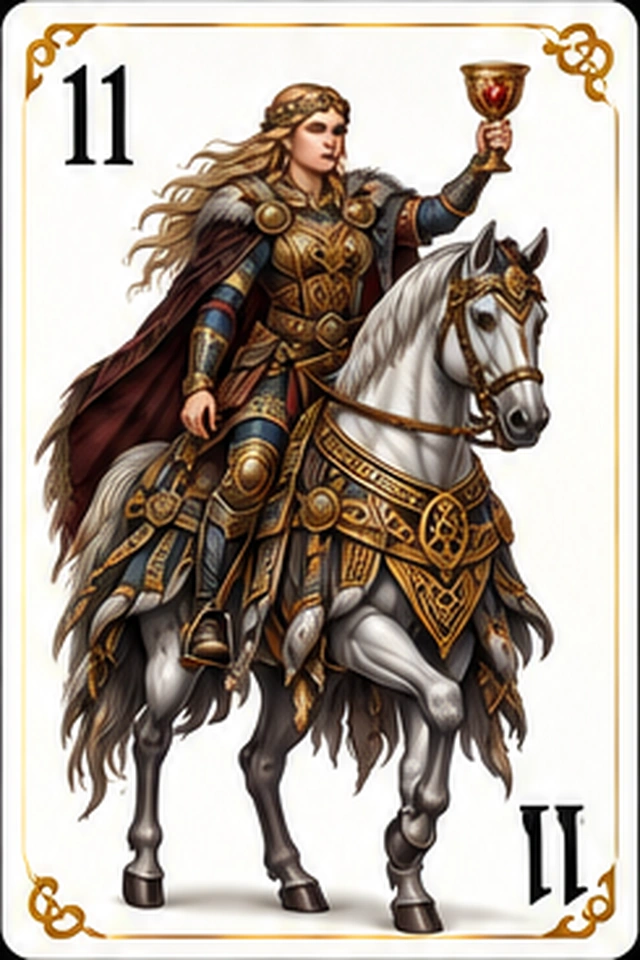
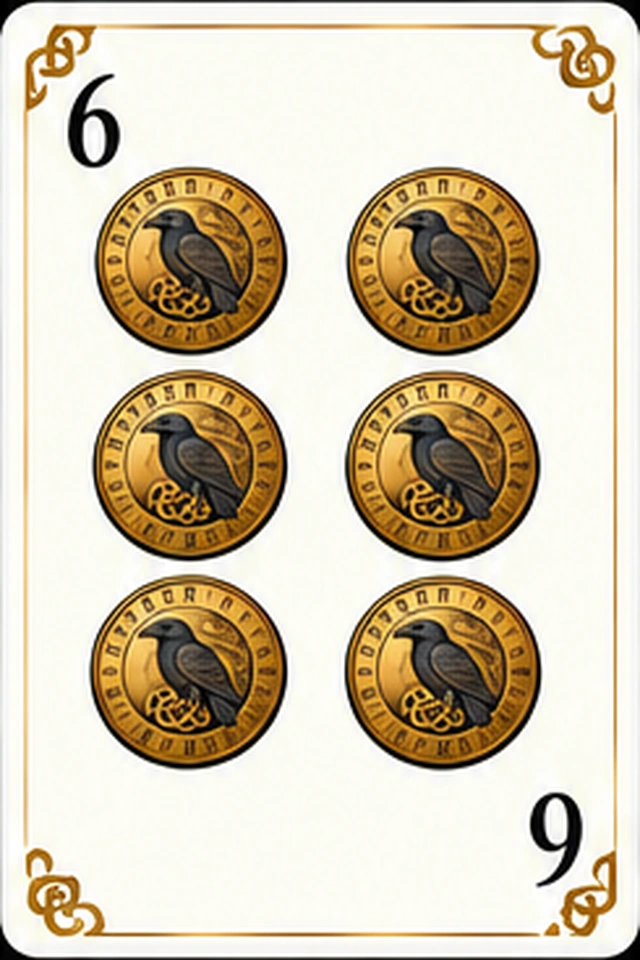
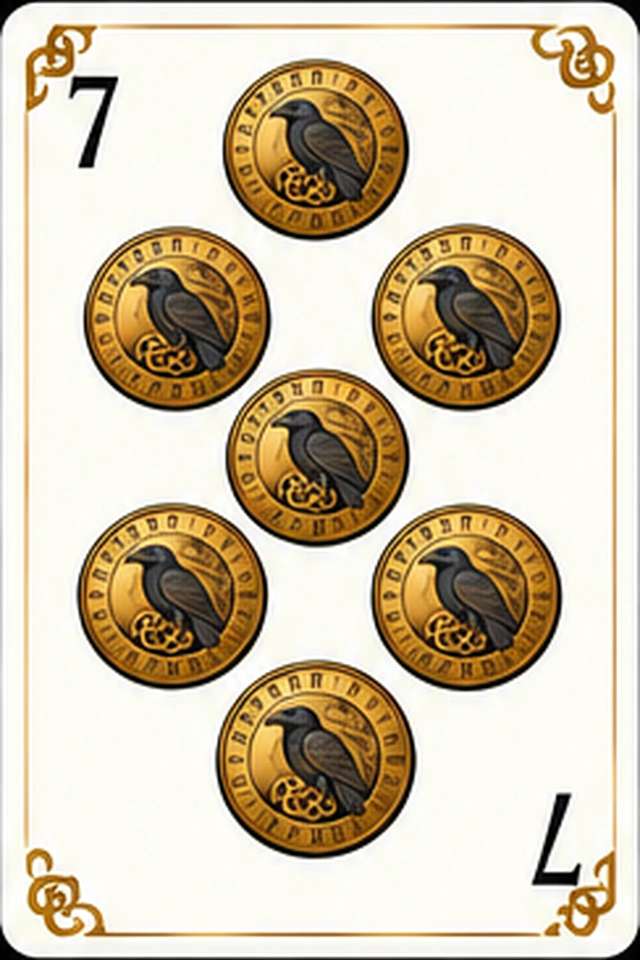
A game that has survived generations
Chinchón is a traditional card game that brings generations of family and friends together around the table. Its enduring popularity stretches from family gatherings and holidays to campsites, social clubs, pubs and board game associations.
The curious thing is that, despite its enormous popularity, most players know the rules perfectly but know very little about its history. Where does Chinchón come from? Why is it called that? Has it always been played the same way? Are there variants in other countries?
Let's explore everything known about this classic of the Spanish deck.
What exactly is Chinchón?
Chinchón is a card game belonging to the large family of Rummy-type games, where players must form valid card combinations to reduce the loose cards in their hand to a minimum.
It is usually played with a Spanish deck (baraja española) of 40 or 48 cards and accommodates between 2 and 8 players, although the rules may vary slightly depending on the region or group of friends.
The general objective is simple:
- Form sequences (escaleras) of the same suit.
- Form three-of-a-kind (tríos) or four-of-a-kind (cuartetos) of equal cards.
- Minimise the points from uncombined cards.
- Try to achieve a Chinchón, the most valuable play in the game.
What seems like a simple game hides much more strategy than it often appears at first glance.
The mysterious origin of Chinchón
One of the most interesting aspects of the game is that its exact origin remains a small mystery.
There is no official birth date nor a document that can assert with certainty when it first appeared. However, researchers agree that it belongs to the same family of games as the Mexican Conquián and the later American Gin Rummy.
Many historians consider Conquián, documented in Mexico between the 17th and 19th centuries, to be the common ancestor of numerous modern games based on forming card combinations.
Over time, these mechanics travelled through America and Europe, evolving in different directions until they gave rise to games like Gin Rummy and later modern Chinchón.
Therefore, although we usually consider it a typically Spanish game, it probably forms part of a much more complex international evolution.
Why is it called Chinchón?
The short answer is that no one knows for sure.
There are several theories:
- Some authors believe that the name could indirectly derive from the English word Gin, related to Gin Rummy.
- Others link the name to the town of Chinchón, near Madrid.
- There are also popular explanations passed down orally that speak of gatherings of players who would have unified rules in said locality.
The truth is that no theory currently has conclusive documentary evidence.
What we do know is that the name was already widely used in Spain and Latin America during the 20th century.
The relationship between the game and the town of Chinchón
One of the most popular legends claims that the modern rules would have been standardised in the Madrid town of Chinchón.
According to this story, players from different areas used different rules, which caused frequent arguments during games. To resolve this, a meeting would have been organised where common rules were agreed upon, subsequently naming the game after the place.
There is no historical documentation to confirm this story, but it remains one of the most frequently repeated explanations when discussing the game's origin.
The town, incidentally, was already famous long before thanks to its spectacular Plaza Mayor (main square), its historical heritage, and the well-known Anís de Chinchón (anise liqueur).
How to play Chinchón
Although there are numerous variants, the most common rules are as follows. You can consult the complete rules of Chinchón, practise with the interactive tutorial for Chinchón, or play Chinchón for free at Lascuarenta.es (The Forty).
Preparation
- 7 cards are dealt to each player.
- One card is placed face up to start the discard pile.
- The rest form the draw pile.
Turn progression
On each turn, a player:
- Draws a card from the draw pile or the discard pile.
- Forms or improves their combinations.
- Discards a card.
The goal is to arrange the hand into valid combinations.
Allowed combinations
The two basic combinations are:
- Sequences (Escaleras): three or more consecutive cards of the same suit.
- Three-of-a-kind (Tríos) or four-of-a-kind (cuartetos): three or four cards of the same rank.
For example:
- 4, 5, and 6 of Copas (Cups).
- Three Rey (Kings) of different suits.
What is a Chinchón?
The play that gives the game its name is a sequence (escalera) of seven consecutive cards of the same suit.
For example:
As (Ace) – 2 – 3 – 4 – 5 – 6 – 7 of Bastos (Clubs)
Achieving a Chinchón is extremely difficult and usually grants an automatic victory or a very significant bonus, depending on the variant being played.
In fact, the probabilities of receiving a complete Chinchón directly in the initial hand are extraordinarily low: approximately one in over a million deals in a classic Spanish deck.
What happens when a player closes?
When a player has all their cards grouped or has very few uncombined points remaining, they can close the round.
Then:
- All players show their cards.
- The points of the loose cards are counted.
- These points are accumulated on the scoreboard.
The game continues until one or more players reach the agreed limit, usually 70 or 100 points.
The winner is the one who manages to stay below that limit for the longest time.
The role of the Joker
Many variants use a joker to facilitate the formation of combinations.
In some traditional 40-card variants, the As (Ace) of Oros (Coins) acts as a universal joker.
Its usefulness is enormous, but it can also become a problem. Some rules heavily penalise ending a round with an unused joker, so keeping it too long can be risky.
Chinchón variants by country
Although the basics are very similar, the game has evolved differently in different regions.
Spain
This is the most well-known version. It is normally played with a Spanish deck and a point accumulation system until a limit is reached.
Conga (Argentina and Uruguay)
In many areas of the Río de la Plata, the game is called Conga.
Some variants use a reduced 40-card deck and often require stricter closing conditions.
Rabino (Aragon)
In Aragon, it is common to find the denomination Rabino, although the basic mechanics remain practically the same.
Golpeado (Peru)
This is probably the most different variant.
It is usually played with an English deck and eliminates much of the traditional accumulated scoring system. The objective becomes completing certain combinations before the other players.
Basic strategies to win more games
Chinchón contains much more strategic component than it often appears.
Don't obsess over the Chinchón
Trying to build a seven-card sequence (escalera) from the beginning is usually a bad idea. The probabilities are too low, and you will normally end up accumulating unnecessary points.
Watch the discards
The cards your opponents take offer a lot of information about their plans.
Observing which cards they pick up and which they discard allows you to anticipate which combinations they are trying to complete.
Reduce your points as soon as possible
When the game progresses, and you suspect someone might close soon, it is preferable to keep low cards rather than face cards.
An uncombined Rey (King) can turn into a very painful penalty.
Learn to bluff
Experienced players sometimes make deliberately misleading discards to hide the combinations they are building.
Information is also part of the game.
Interesting facts about Chinchón
- It is one of the most popular after-dinner games in Spain and much of Latin America.
- In some regions, it receives such peculiar names as Martinchón, Chinchonazo, or Chinchoneti.
- There is a Basque version called Txintxon.
- There is currently no recognised international federation exclusively dedicated to Chinchón.
- Its tradition has been maintained mainly through family and oral transmission.
- The probabilities of receiving a complete Chinchón when dealing are so low that many players have never seen one dealt in their entire lives.
Why it remains so popular
Perhaps the key to Chinchón's success is its perfect balance.
It's easy to learn, but difficult to master. It has enough luck for anyone to win a game, but also enough strategy for experience to make a difference.
Furthermore, it fits perfectly into something modern games sometimes forget: conversation. While playing Chinchón, people chat, reminisce, debate, joke, and share time with others.
And probably that's why, decades after its appearance, it continues to hold a privileged place at so many tables.