

Reading
Blog
Stories about the Spanish deck, the rules explained plainly, details about our decks and project news.
Culture ·
The Italian Cousins of Tute, Brisca, and Escoba
Brisca and Briscola, Escoba and Scopa, Tute and tutti: what these Spanish and Italian card games share and how they differ.
Read the article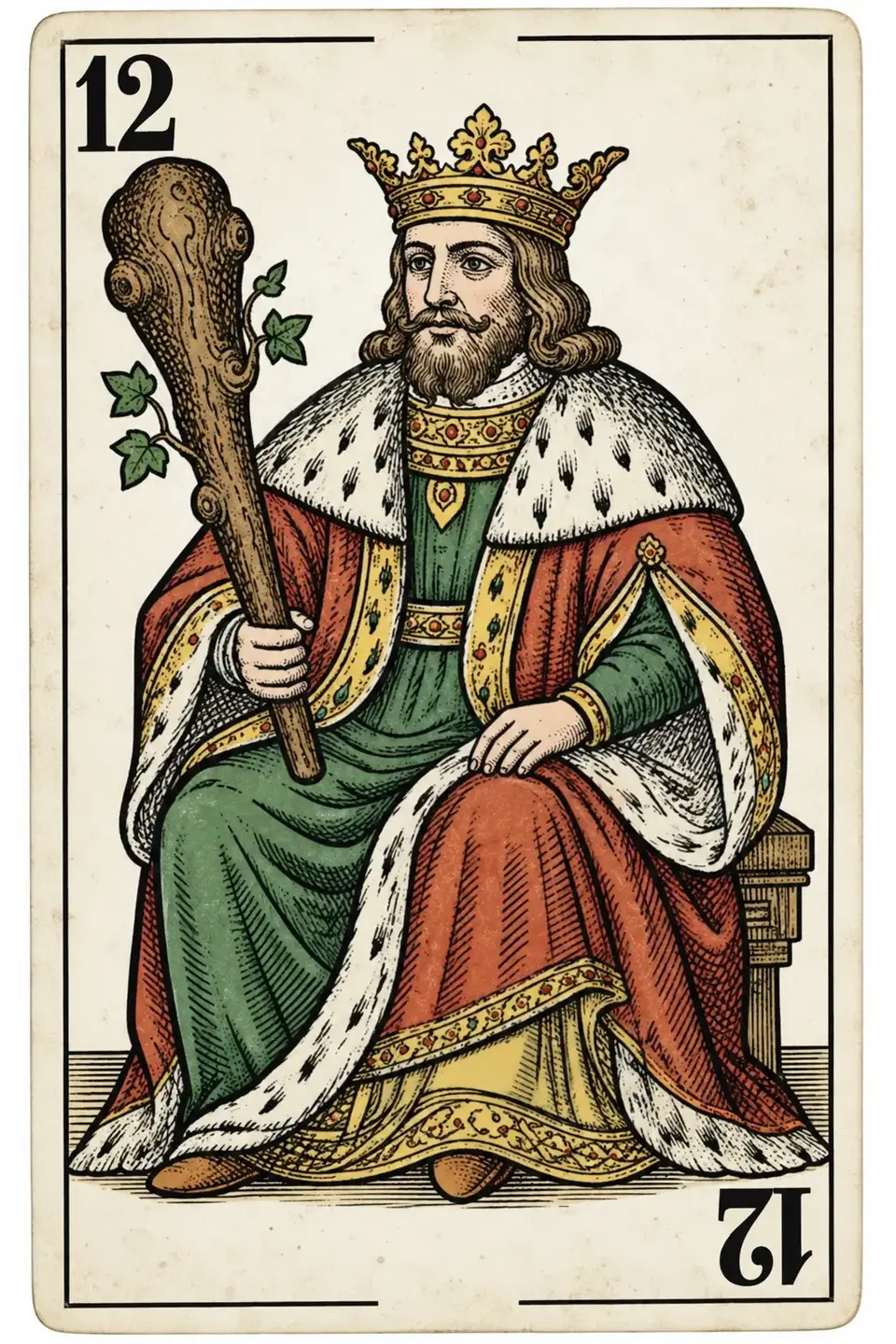
Culture ·
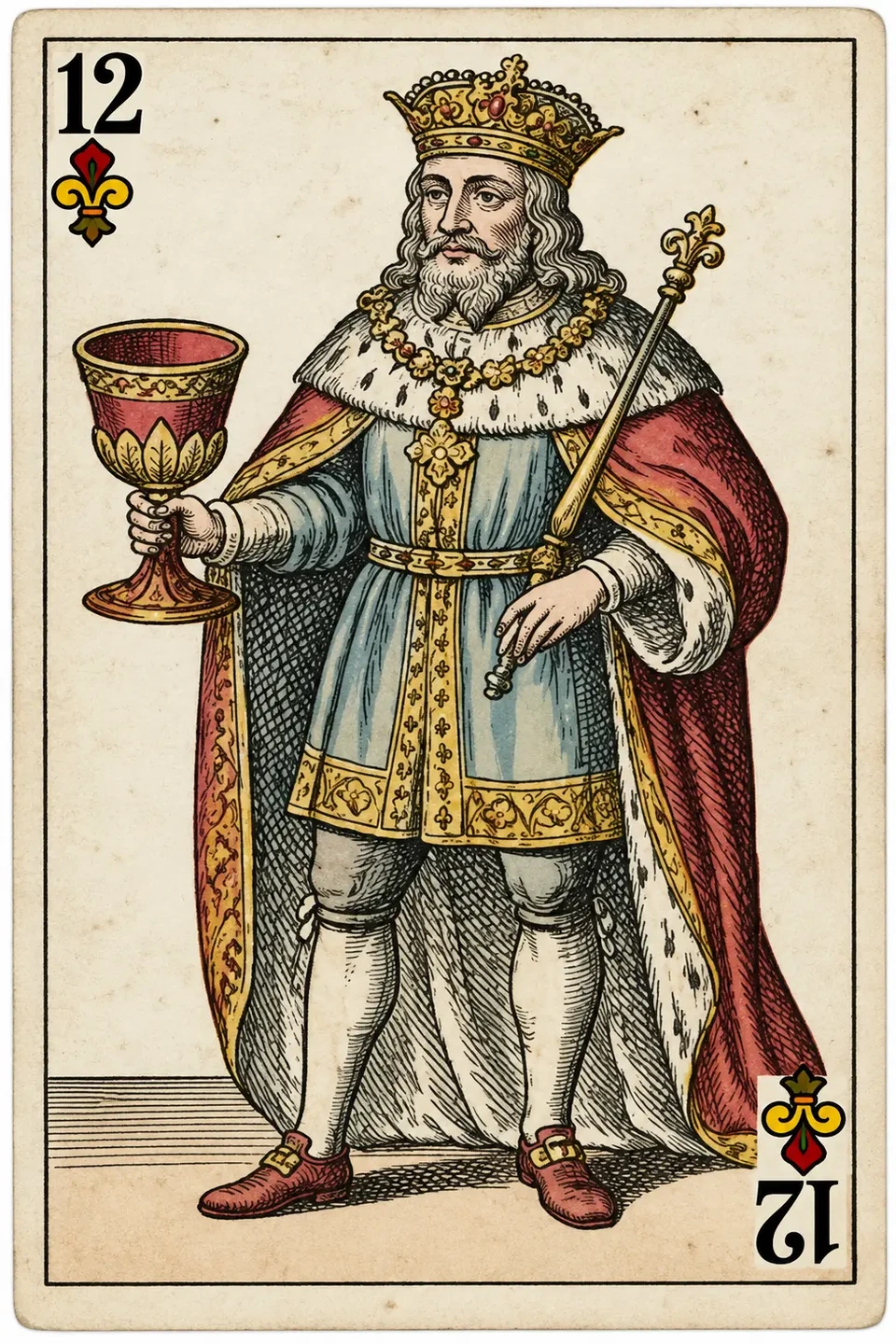
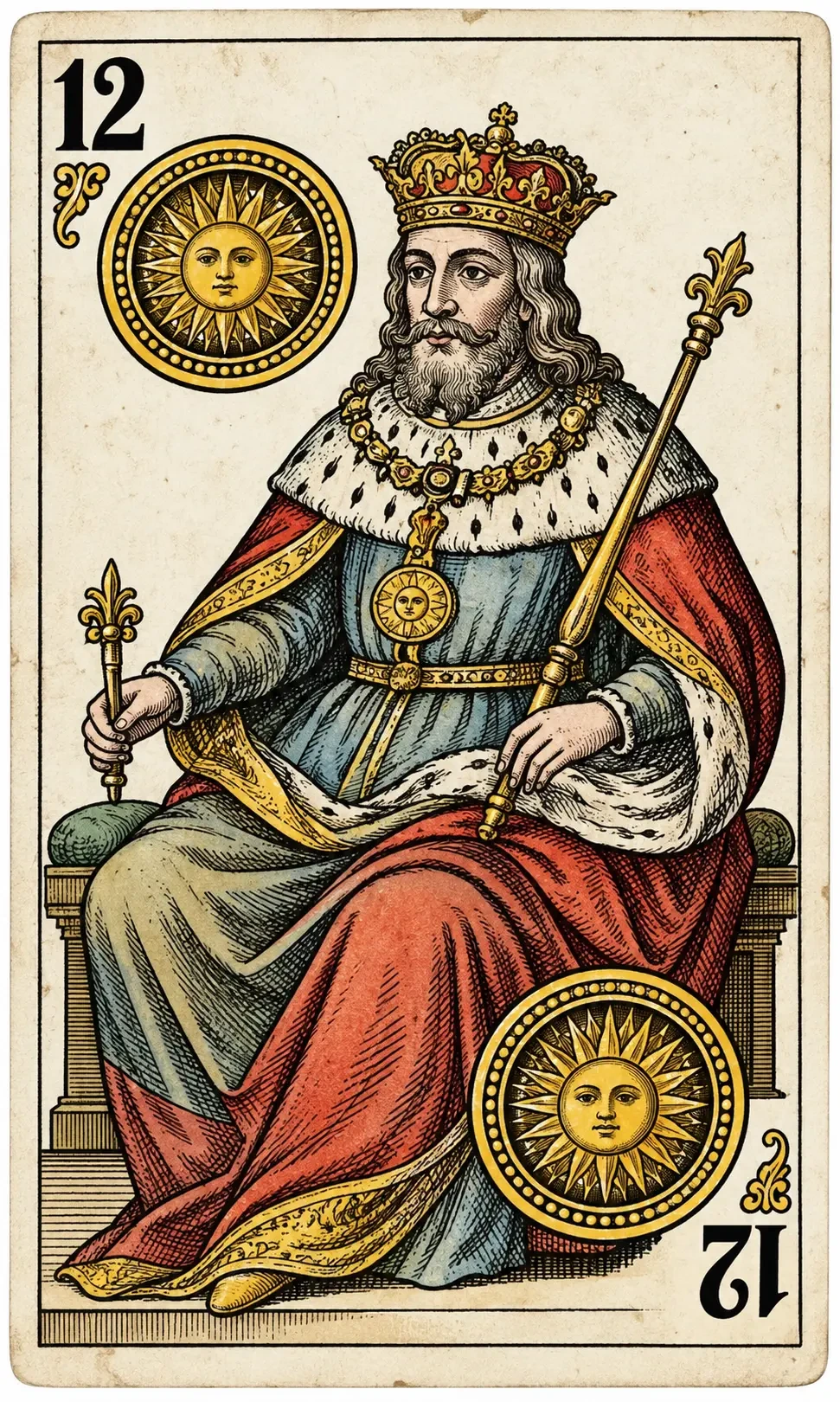
How playing cards travelled from the East to Spain
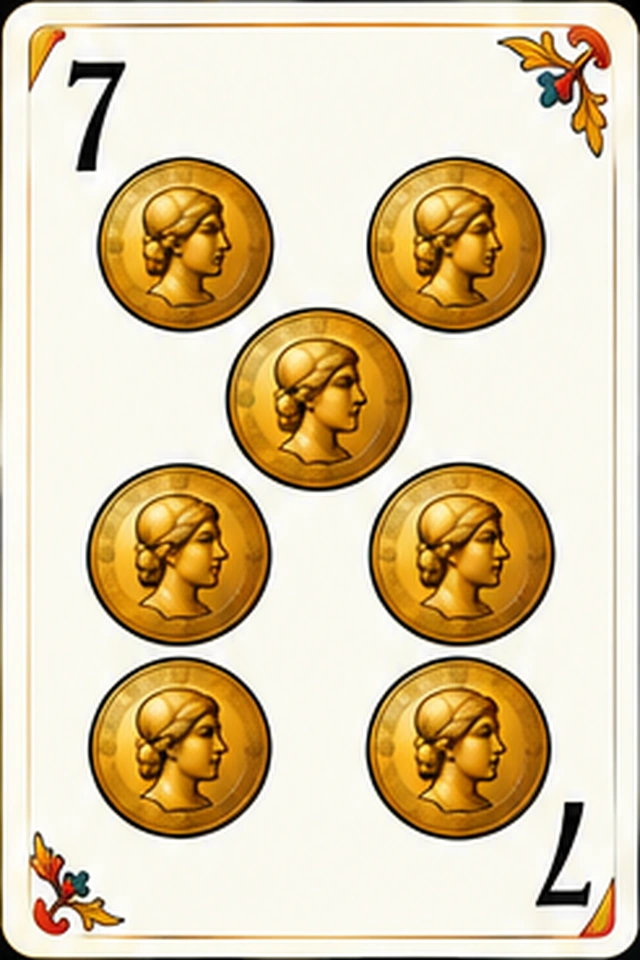
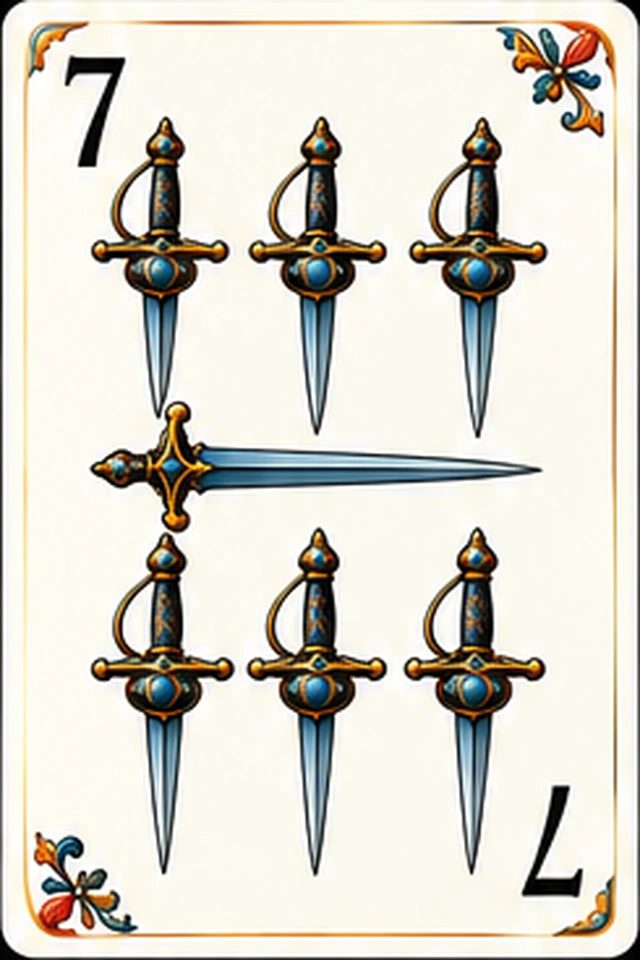
The history of the Spanish deck began long before the 'Oros (coins)' (Golds), 'Copas (cups)' (Cups), 'Espadas (swords)' (Swords), and 'Bastos (clubs)' (Clubs) existed. A journey through the travels of playing cards from China to Spain, passing through the Islamic world, the Mamluks, and medieval Italy.
Read the article
Culture ·
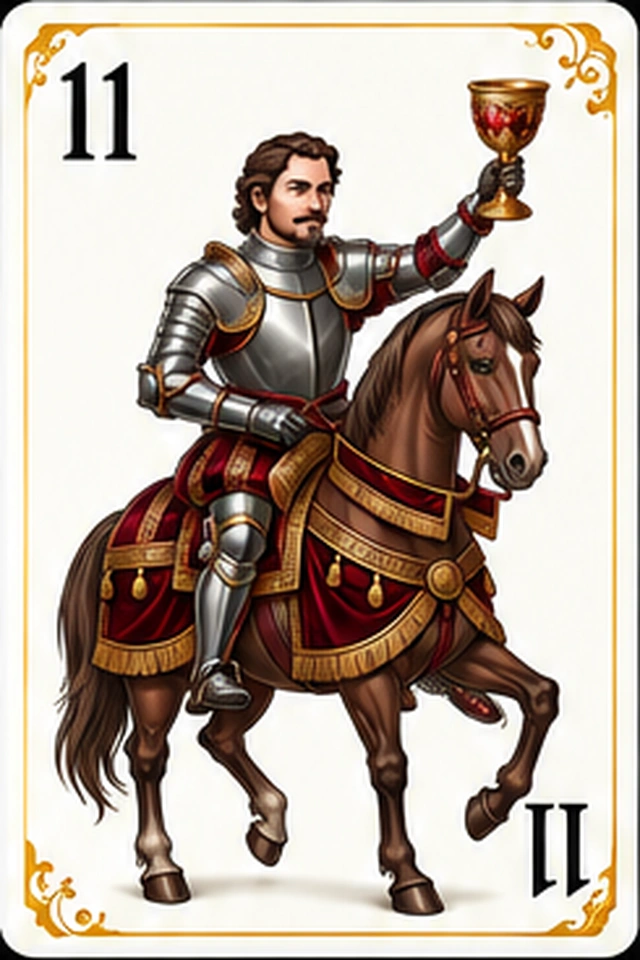
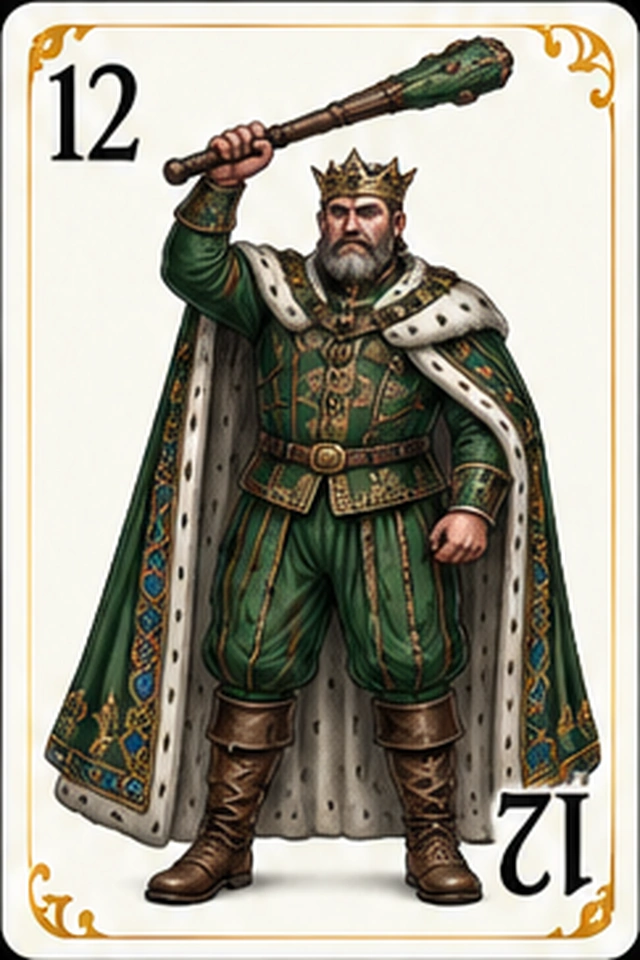
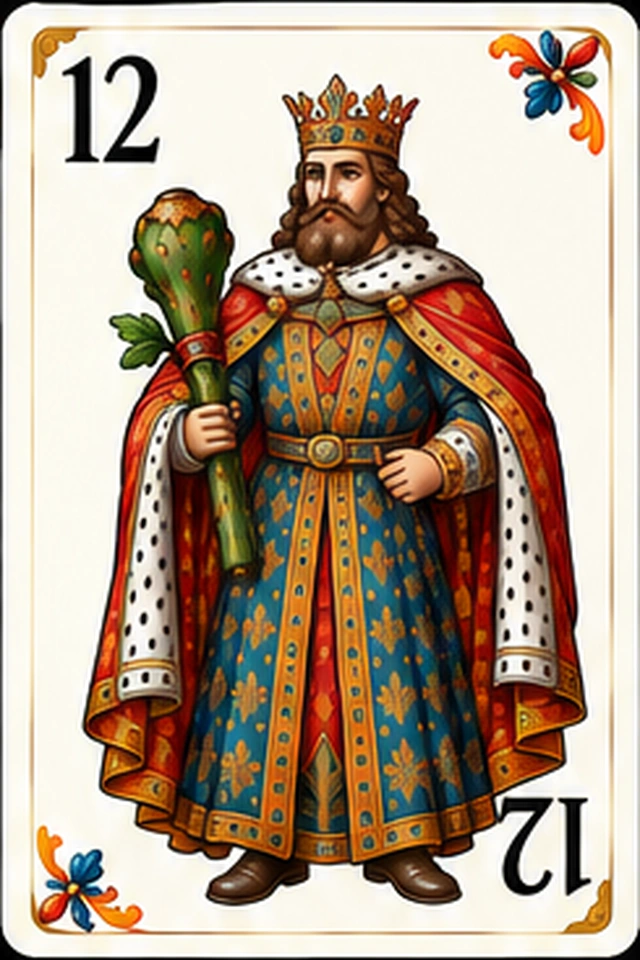
What does "Sota, Caballo y Rey" mean? Origin and meaning of the expression
The expression "Sota, Caballo y Rey" originated in the Spanish deck and is now used to describe predictable or repetitive situations. This is its history.
Read the article
Culture ·
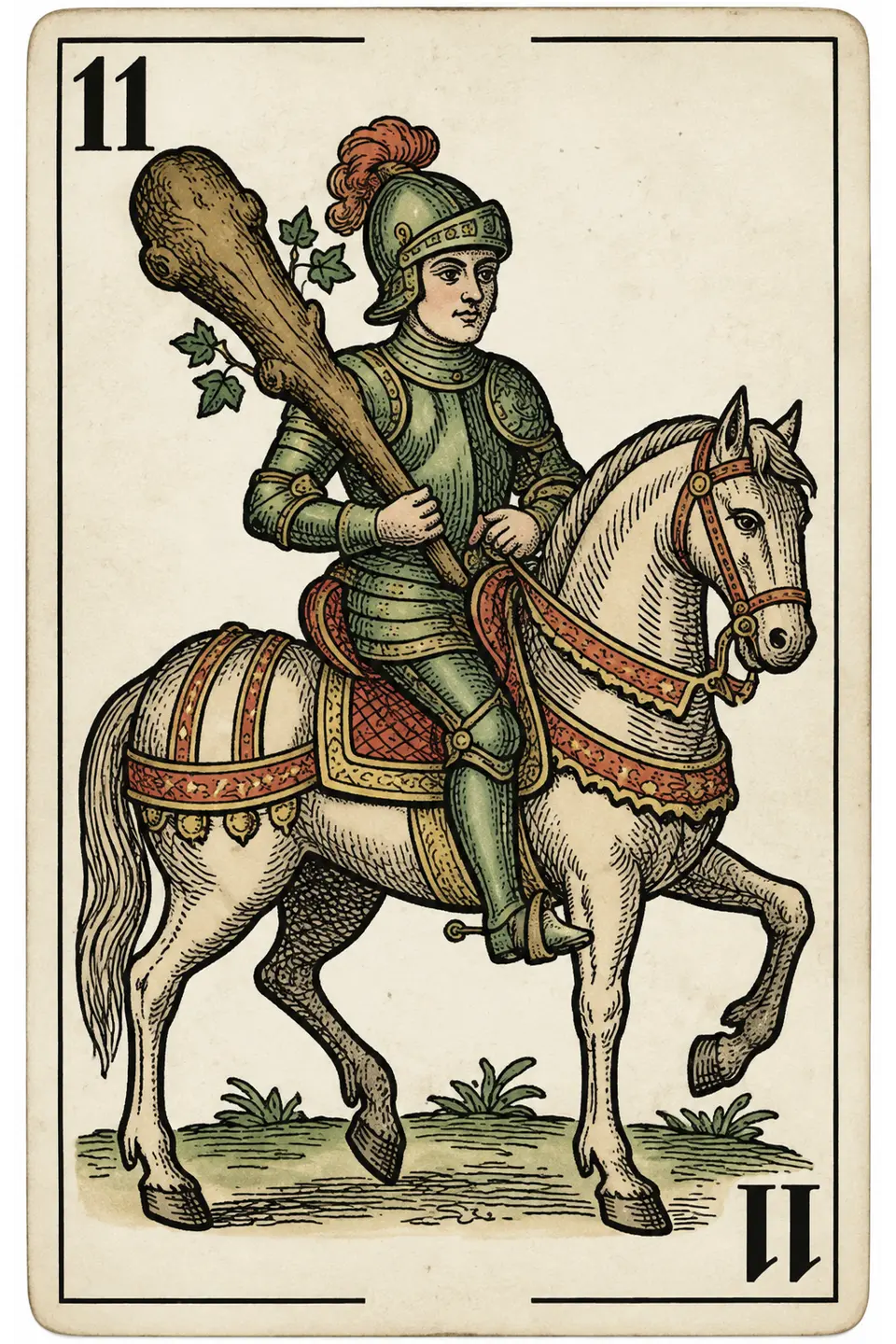
How the First Playing Cards Were Made in Spain
Before modern printing presses, each card was engraved, printed, coloured, and cut by hand. This is how the 'naiperos' (cardmakers) worked to produce the first Spanish decks.
Read the article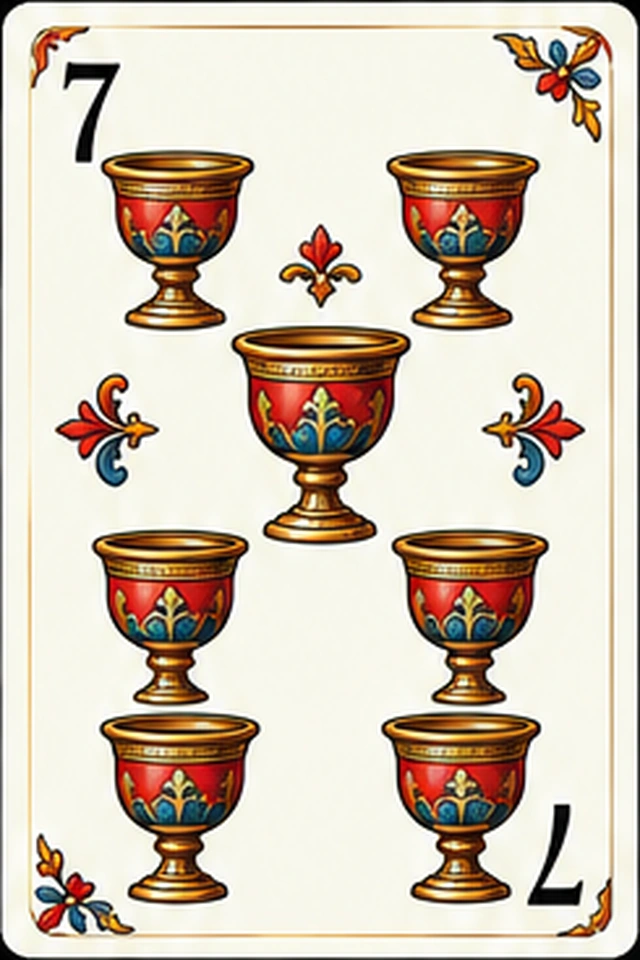
Culture ·
Everything you need to know about Mus: origin, history, rules, and curiosities
Everything about Mus: origin, history, rules, signals, variations, tournaments, and curiosities. Discover how this legendary card game was born, how it's played, and why it remains one of Spain's most popular leisure traditions.
Read the articleYou might also like the rules of each game and the illustrated decks.