

Spanish deck
10 curious facts about the Spanish deck
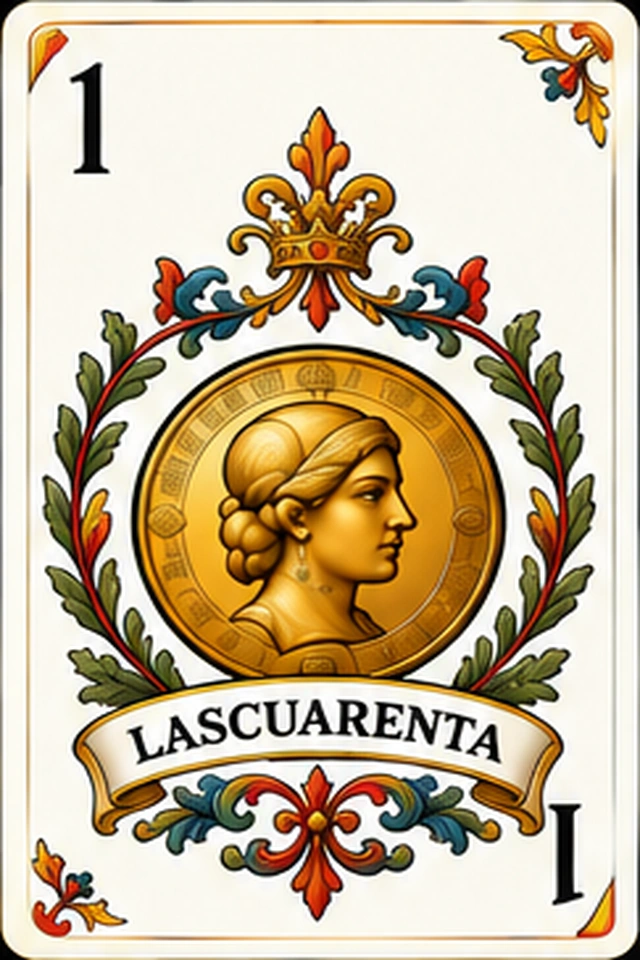
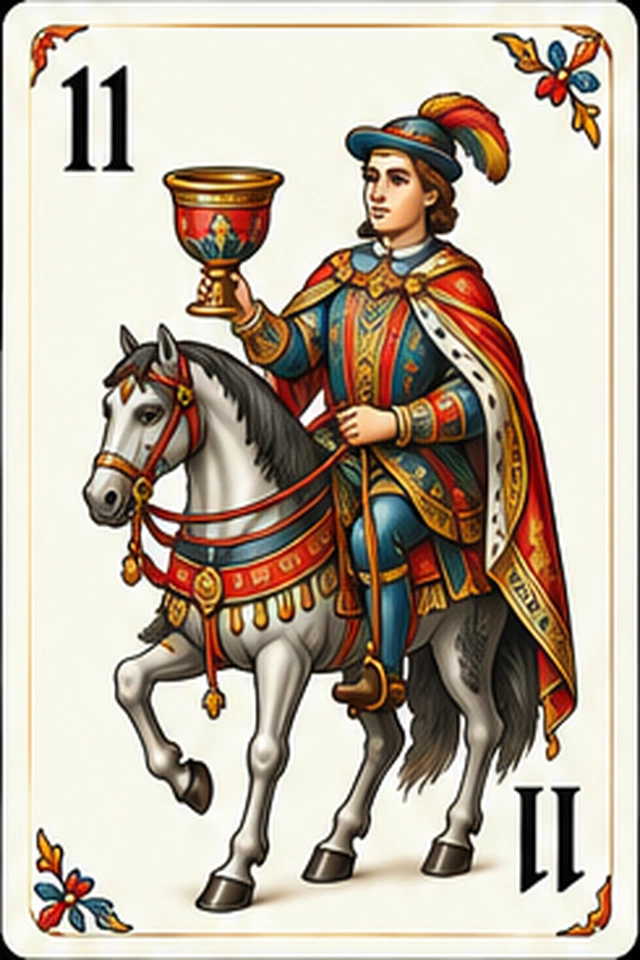
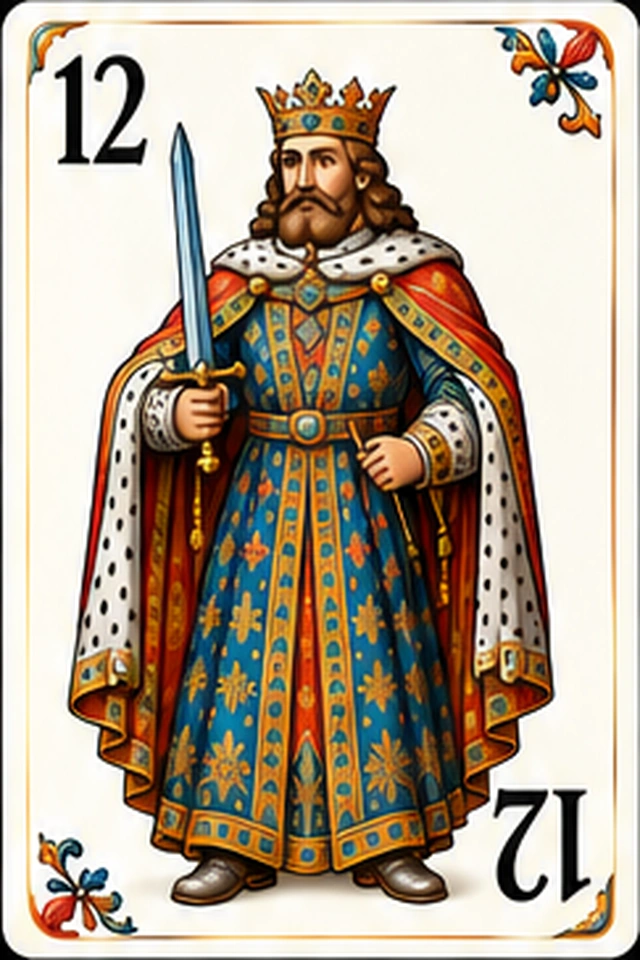
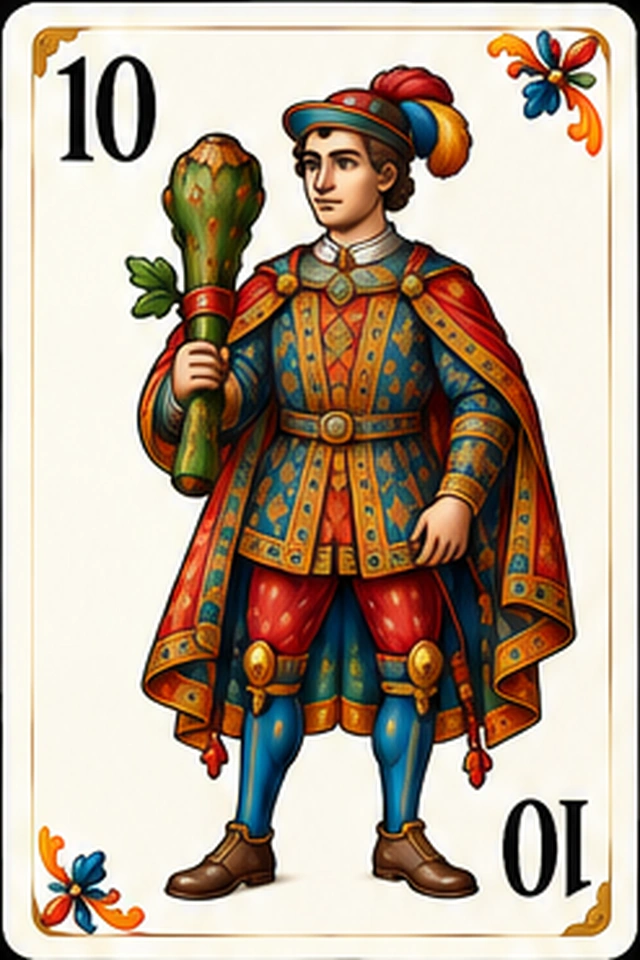
The Spanish deck has caballos (knights) instead of queens and, in its most widely used version, leaves out the 8s and 9s. Its four suits are oros (coins), copas (cups), espadas (swords) and bastos (clubs), and the as de oros (ace of coins) has carried the maker’s mark for centuries.
- It has 40 cards in its most commonly played version and 48 in the full deck. The differences.
- There is no queen: the court card is the caballo. Find out why.
- The suits are thought to represent medieval social classes or possessions. Their meaning.
- The suits can be told apart by the breaks in the border (known as ‘pintas’).
- The as de oros (coins) is the maker’s ‘signature’. Its history.
- It is documented in the Iberian Peninsula in the late 14th century. How it arrived.
- The comodín (joker) was not part of the original deck. When it appeared.
- It gave Spanish expressions such as ‘cantar las cuarenta’ (to give someone a telling-off).
- Vitoria-Gasteiz has a major museum dedicated to playing cards. Playing card museums.
- It is played with across half the world, from Italy to the Americas. Its journey to the Americas.
Frequently asked questions
How many cards are in the Spanish deck?
40 in its most common version and 48 in the full deck.
What are pintas?
The breaks in a card’s border that indicate its suit.