

Learn to play
Tute tutorial: practise play by play
Tute tutorial
Four plays to practise forced follow with the full deck: beating, following, trumping and placing the King-and-Knight cantes without breaking the pair.
Beating is compulsory
Tute deals all 40 cards, ten per player. Trump is coins and an opponent led the King of cups. You have cups and can beat it: forced follow requires you to beat it.
Cards already played
Your hand · tap the card you'd play
The tutorial and games against the computer never affect your public stats.
Key points
The essentials del Tute
The whole deck in hand
All 40 cards are dealt, ten per player, and the dealer reveals the trump. There's no stock to draw from: every trick is played with what you have.
Cantes of 20 and 40
King and Knight of the same suit are worth 20 points, and 40 if that suit is trump. After winning a trick, gathering all four Kings or all four Knights lets you call tute as you lead and win the game.
Forced follow from the first trick
You must follow the suit led, beat the winning card if you can, and trump if you have none of the suit.
Questions
Questions about this tutorial
Origins
History of the deck
Origin of the deck
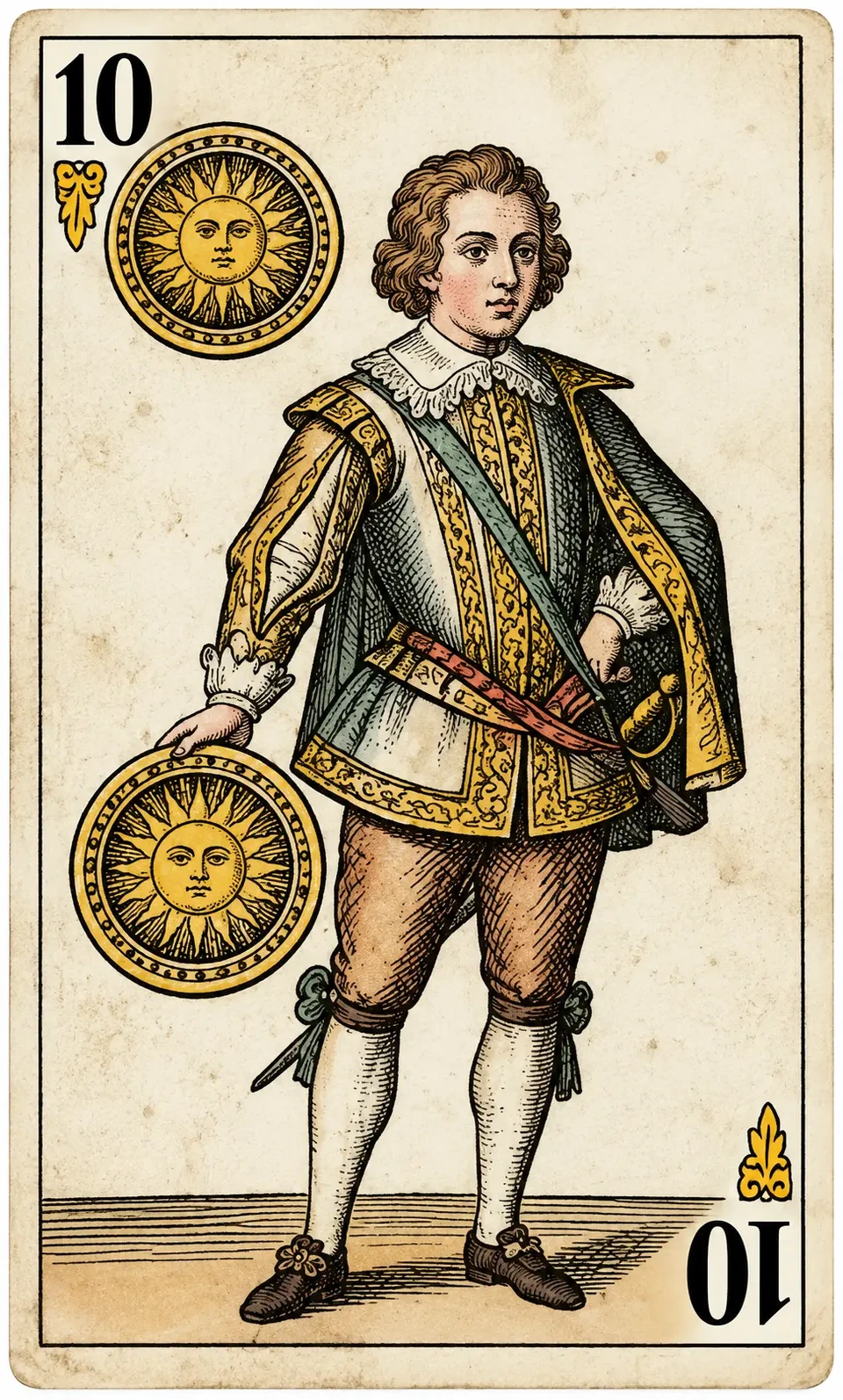
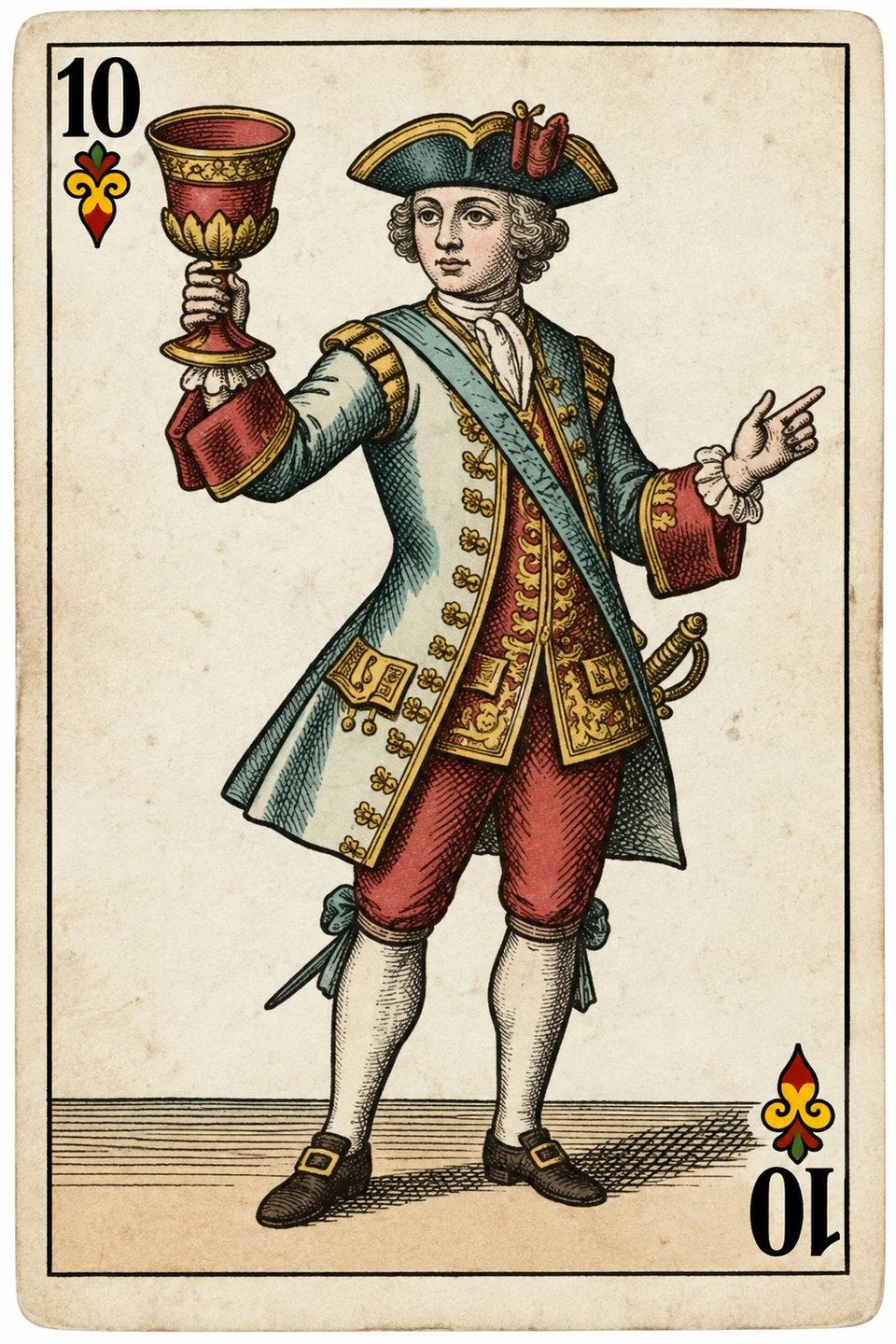
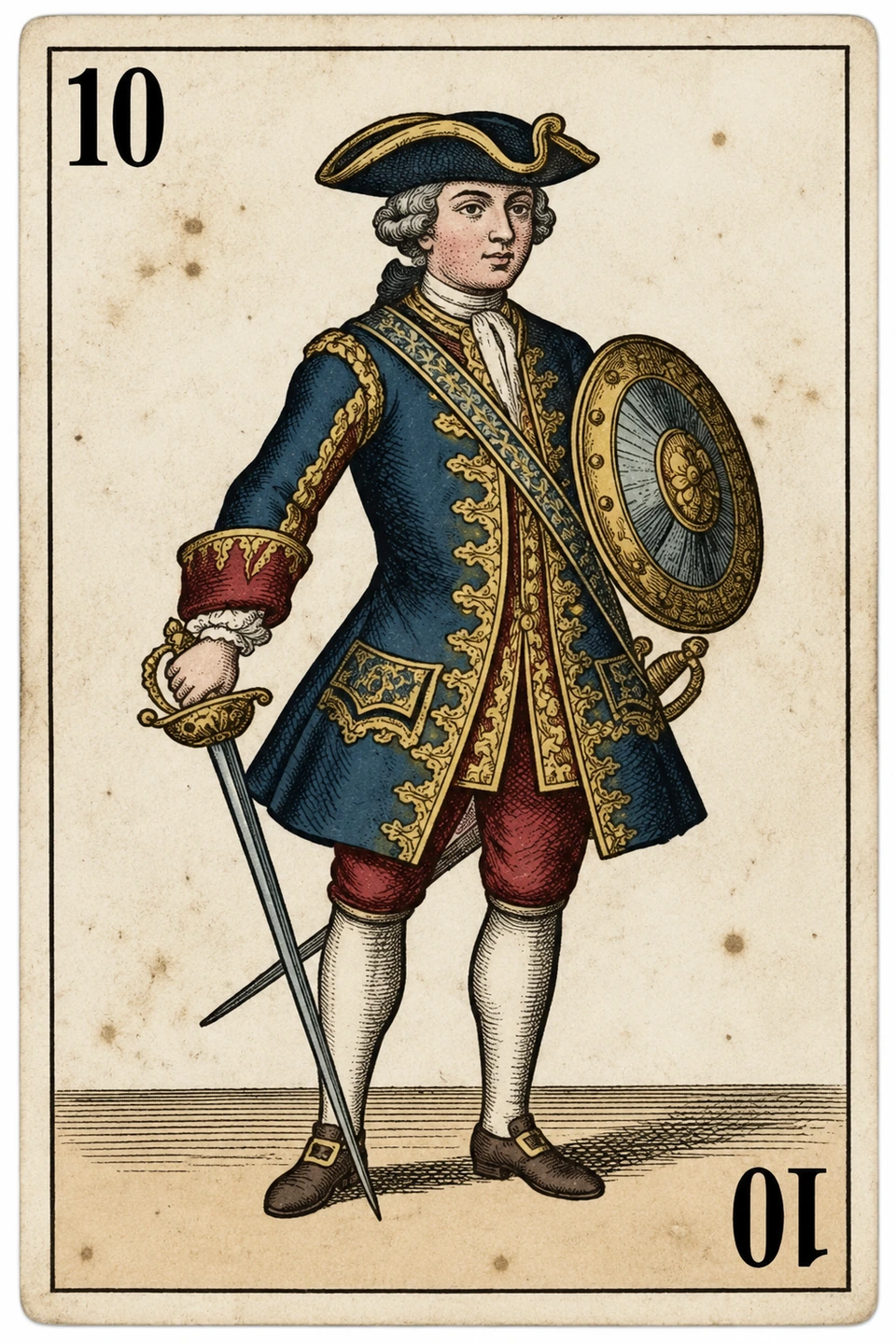
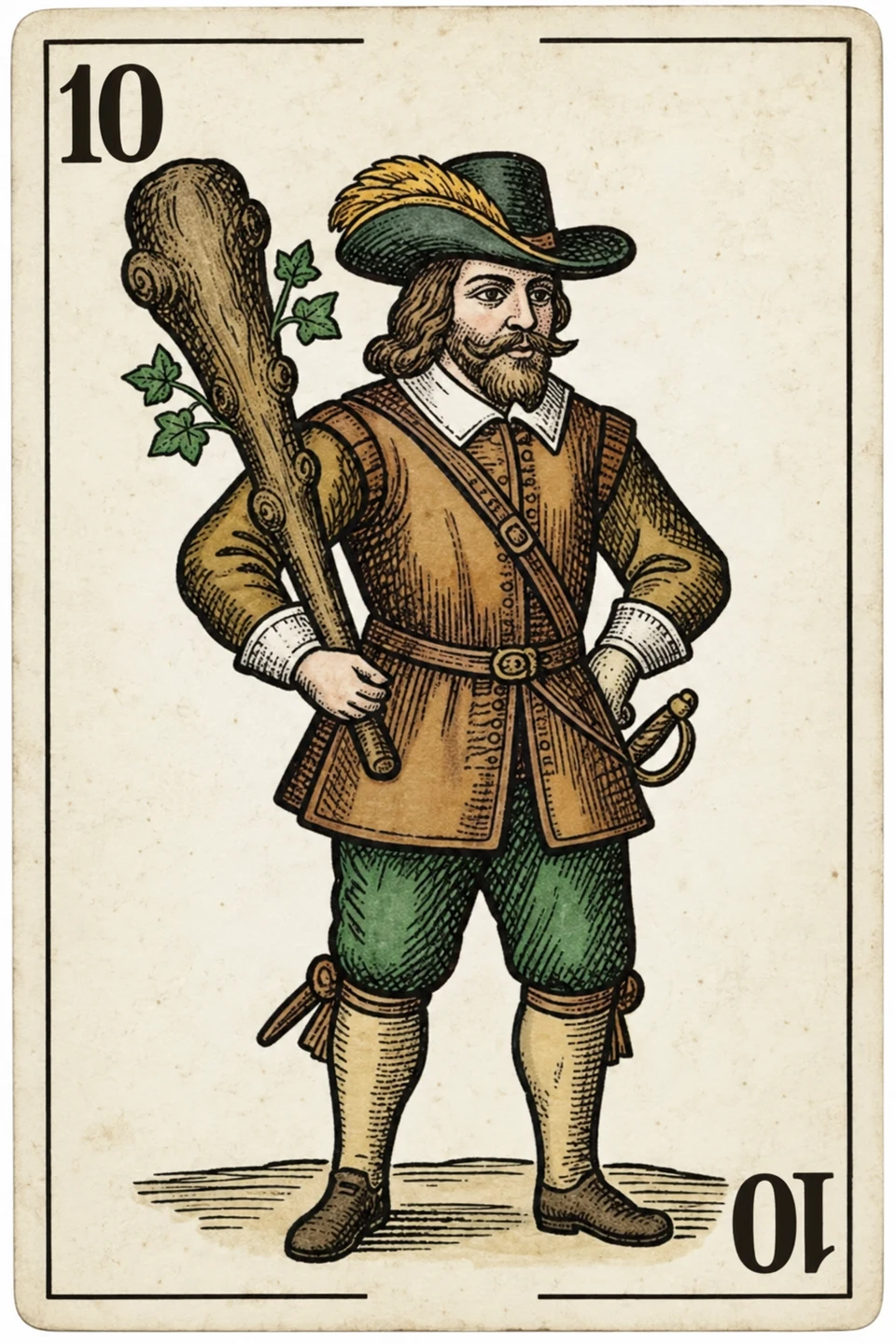
The 40-card Spanish deck arrived on the peninsula in the 14th century and established its four suits —coins, cups, swords, and clubs— as symbols of medieval social classes.
The Tute
Heir to the Central European Marriage, Tute popularized the 20 and 40 declarations and became the quintessential table and tavern game.
La Cuatrola
A pairs variant from the southeast of the Iberian Peninsula. It is played only with the 20 scoring cards (aces, 3s, kings, knights, and jacks): all are dealt, 5 per player, and the trump card is one of the dealer's cards, which they show to the table. Whoever dares to 'sing Cuatrola' commits to winning all five tricks alone.
Full rules
Rules of every game, in writing
Check the deck and its values, the deal, how a round unfolds, scoring, strategy, common mistakes, regional variants and table vocabulary.